
• In The Shop
  • Build
  • Restore
  • Electrify

Category: Restoration/Refit

  • GRAYLING

    GRAYLING

    GRAYLING

    1915, 1996

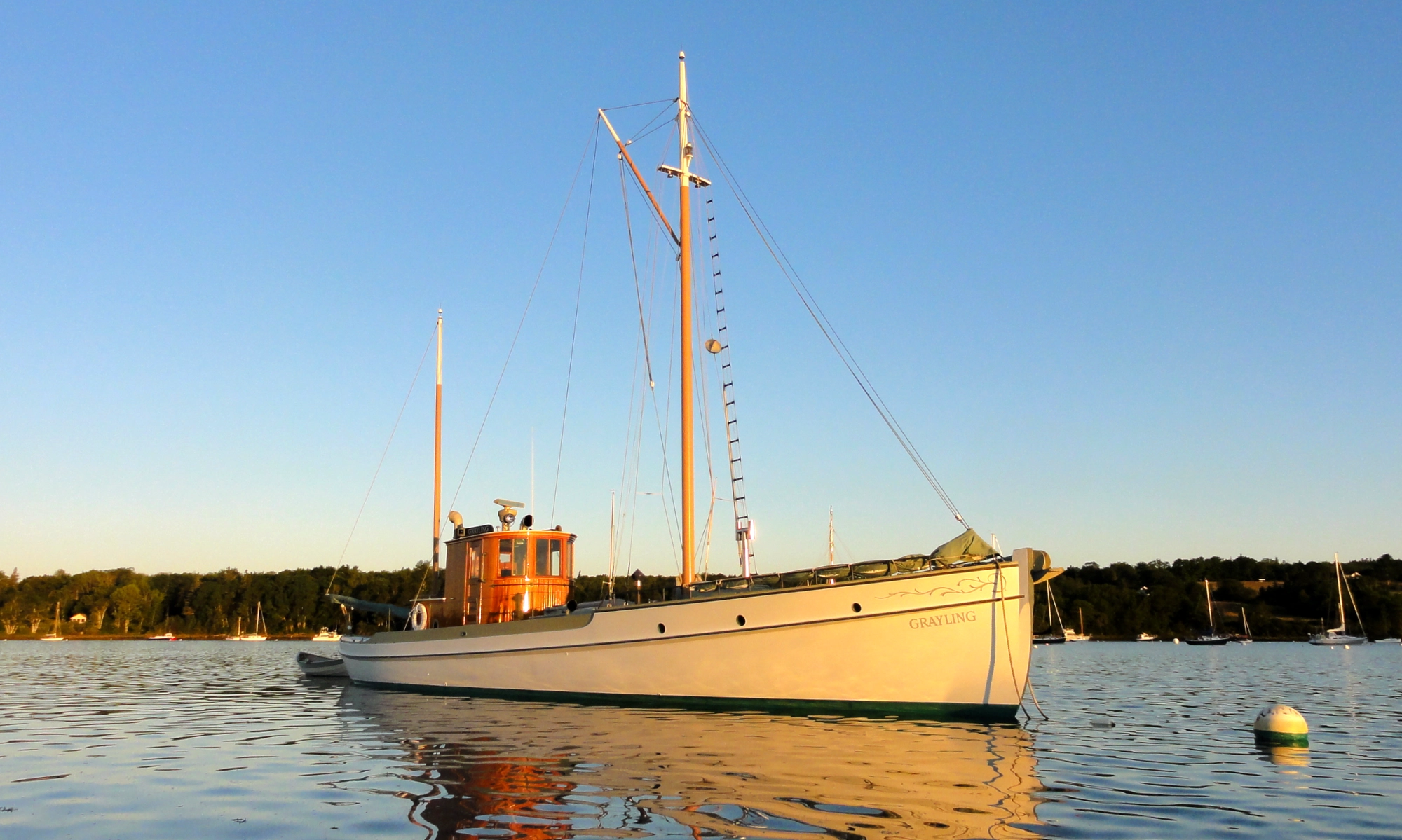
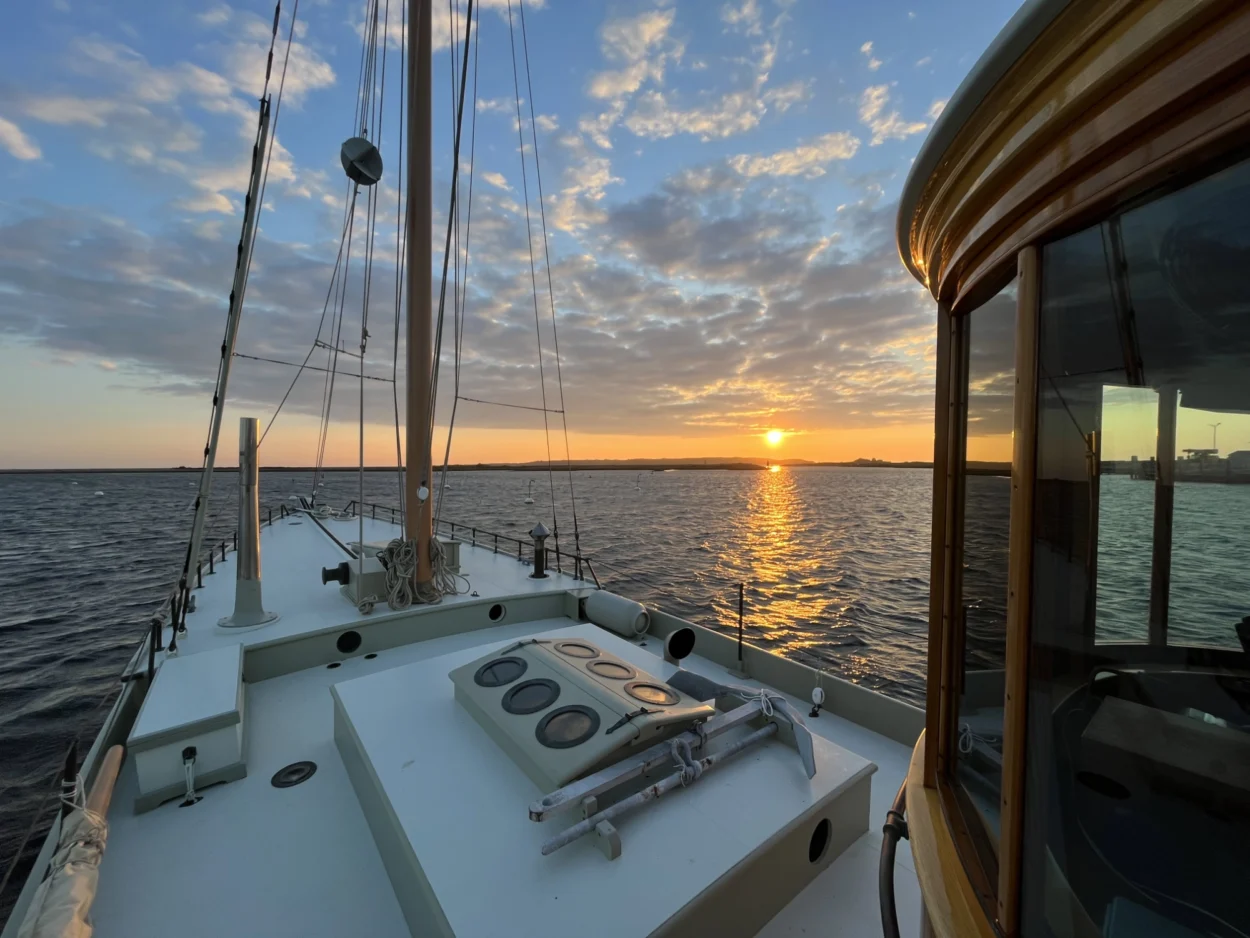
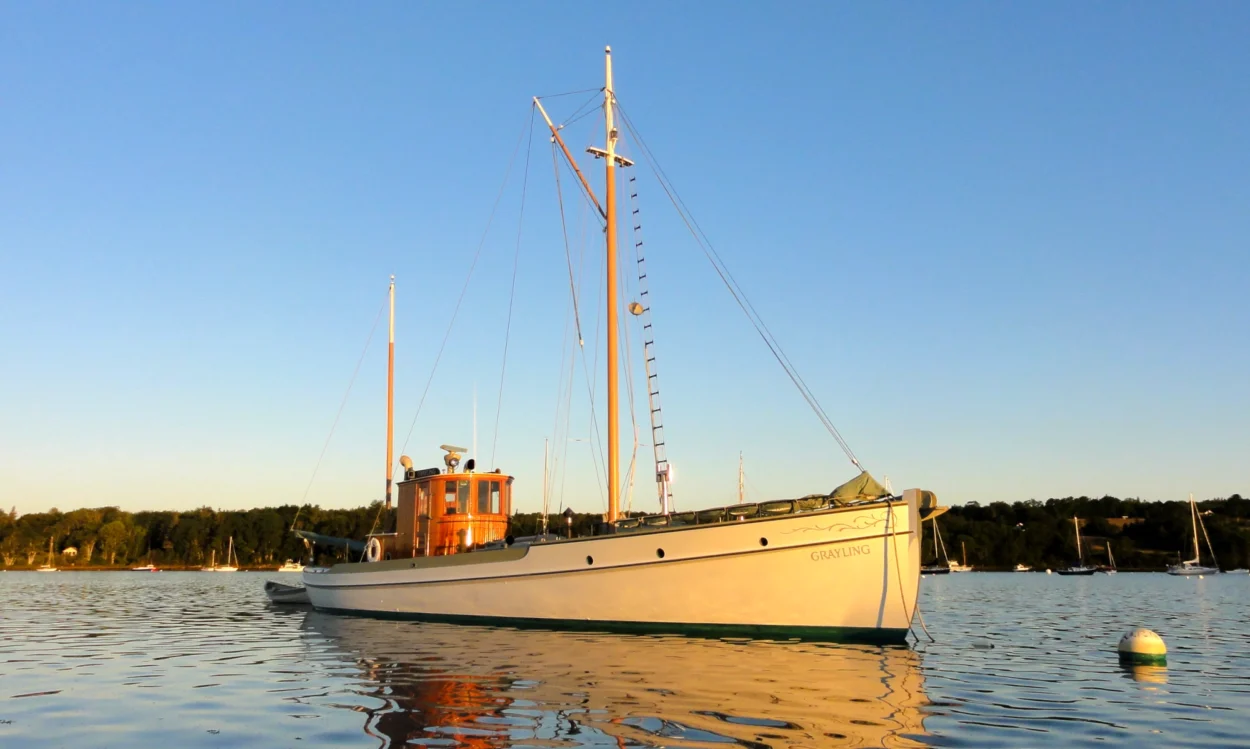
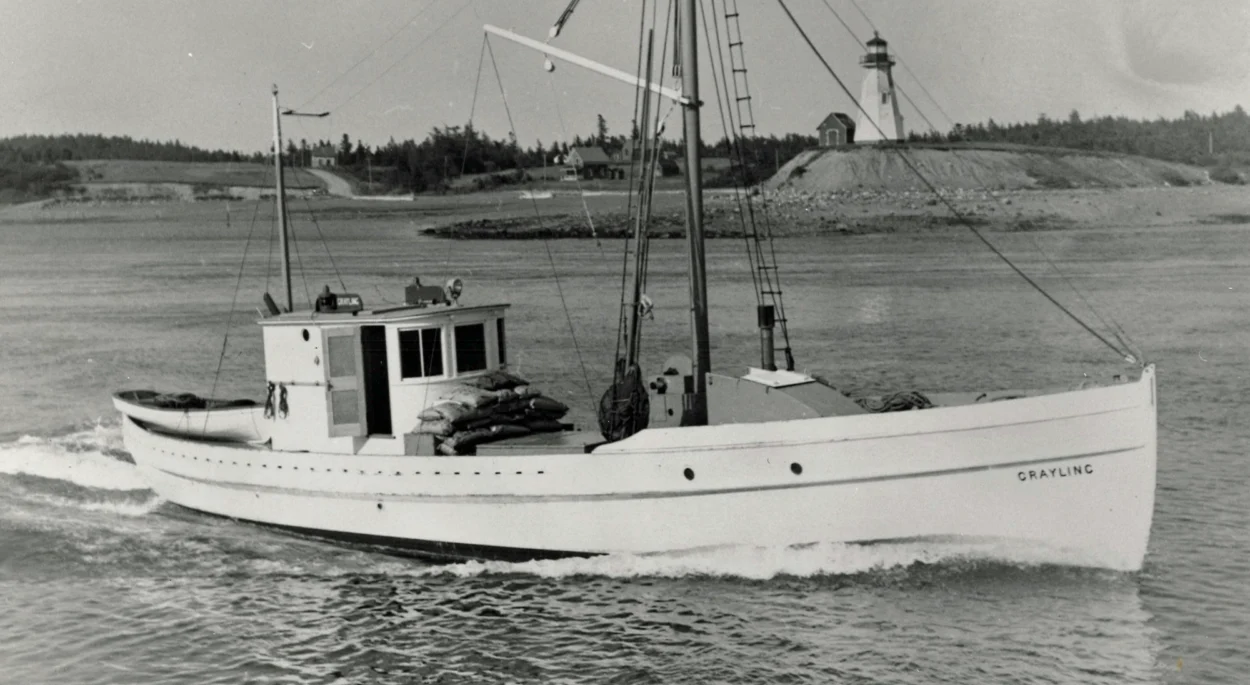
    GRAYLING was built by Frank Rice of East Boothbay, Maine, for use by his brother George Rice in seining for herring and mackerel. In 1920 she was sold into the sardine industry where she spent the next seven decades as a cannery owned carrier out of Eastport, Maine.

    Plans were produced for GRAYLING as an historical documentation of her construction prior to her restoration and conversion to yacht use in 1996. Further drawings were made of her accommodations as converted. Many sheets were produced, including lines plan, original construction and layout, yacht accommodations, pilothouse, and sail plans.

    These plans will be of interest to model builders and those involved in researching or rebuilding similar craft. Please contact Doug Hylan regarding what plans are available and their cost.
    Particulars

    LOA64′ 11″
    LWL60′ 10″
    Beam12′ 6″
    Draft5′ 6″
    Disp.70,000 lbs
    Hull typeSardine carrier
    ConstructionSingle carvel planking over steamed frames
    Propulsion180 hp Detroit 671 diesel
    Speed11 kts
    PlansFor cost & other info, contact Doug Hylan

    OTHER REFERENCES:

    WoodenBoat 136 (page 99), 141 (page 80), 142 (page 78).

    OffCenterHarbor.com: Following a Course: A Centennial Tour of GRAYLING.
  • MOLLY B.

    MOLLY B.

    MOLLY B.

    1923, 2009, 2016

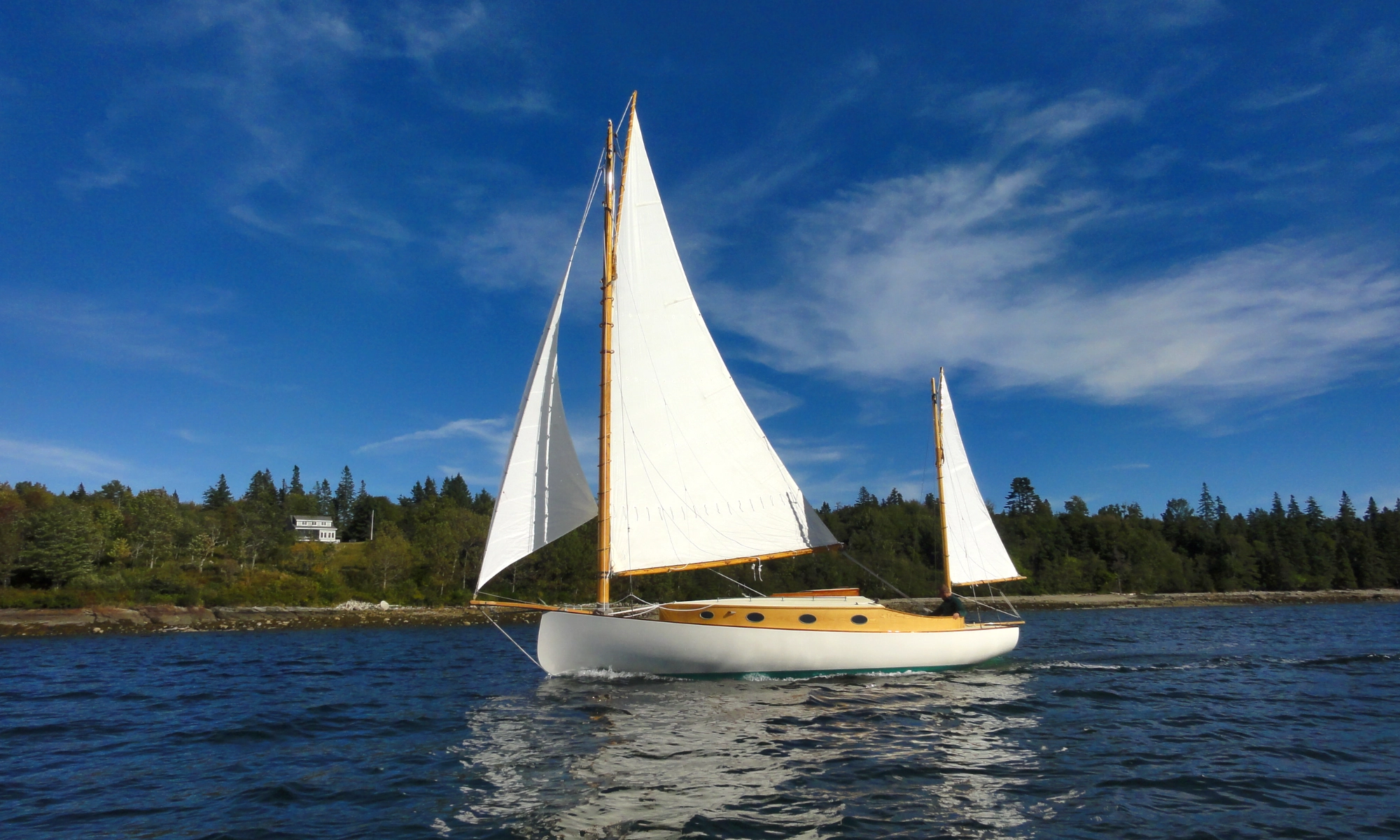
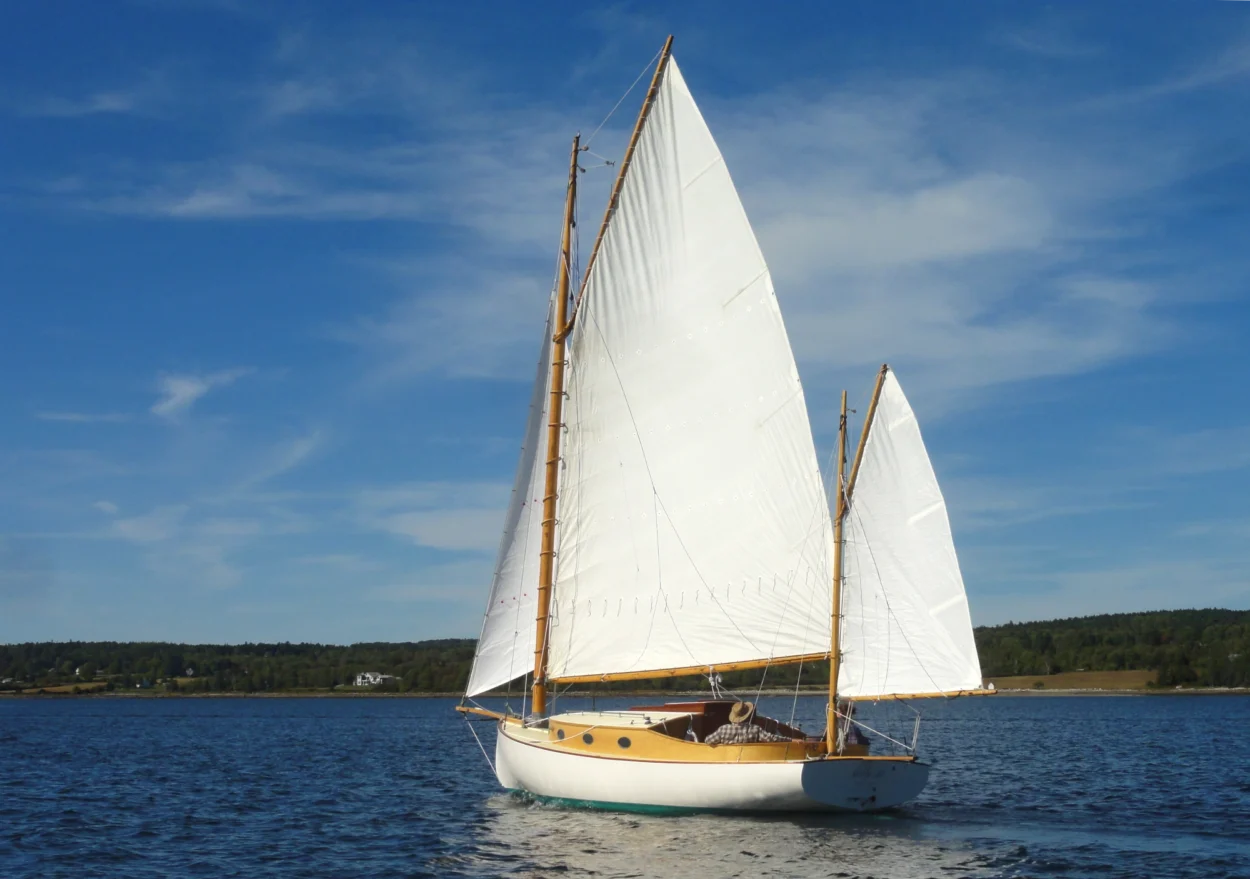
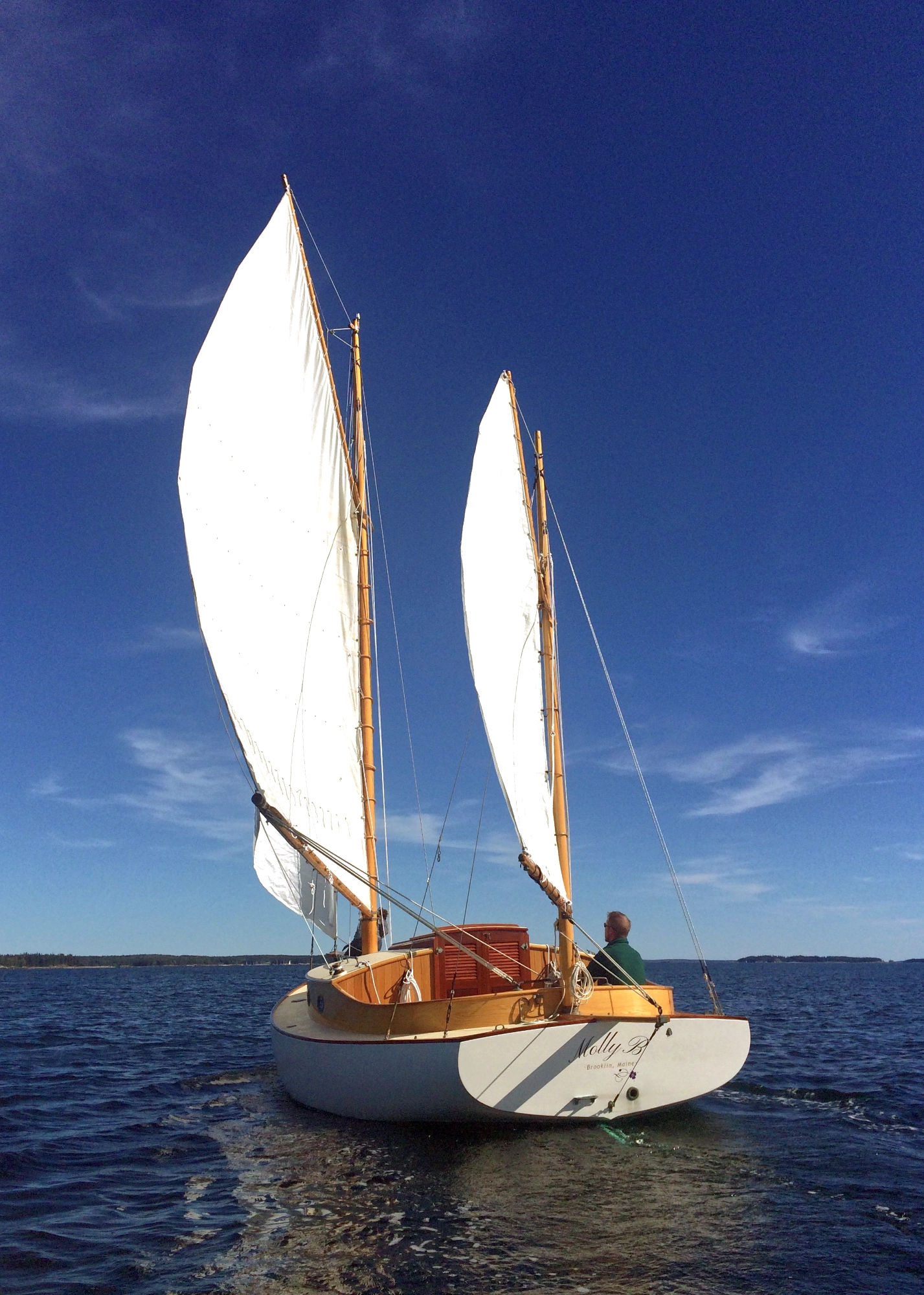
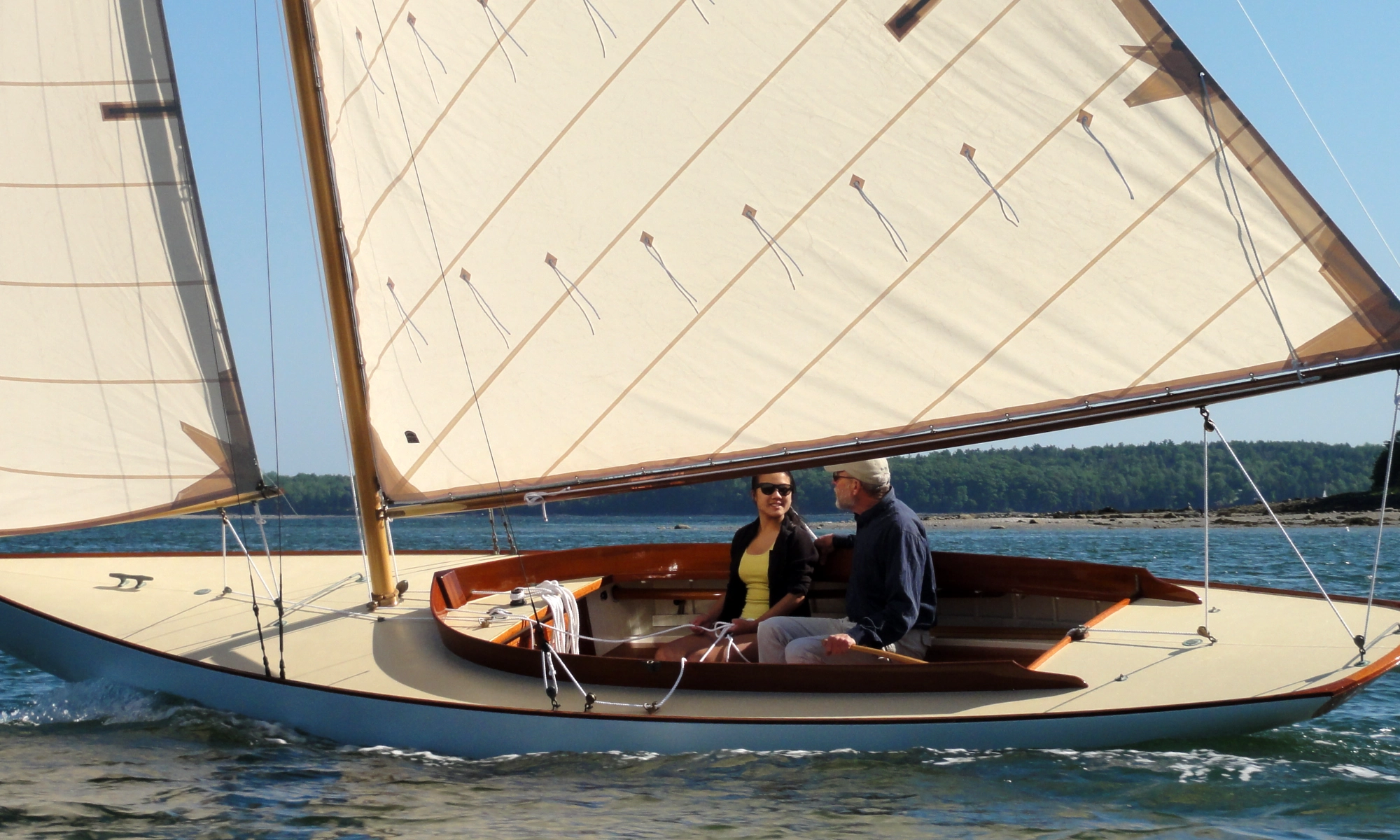
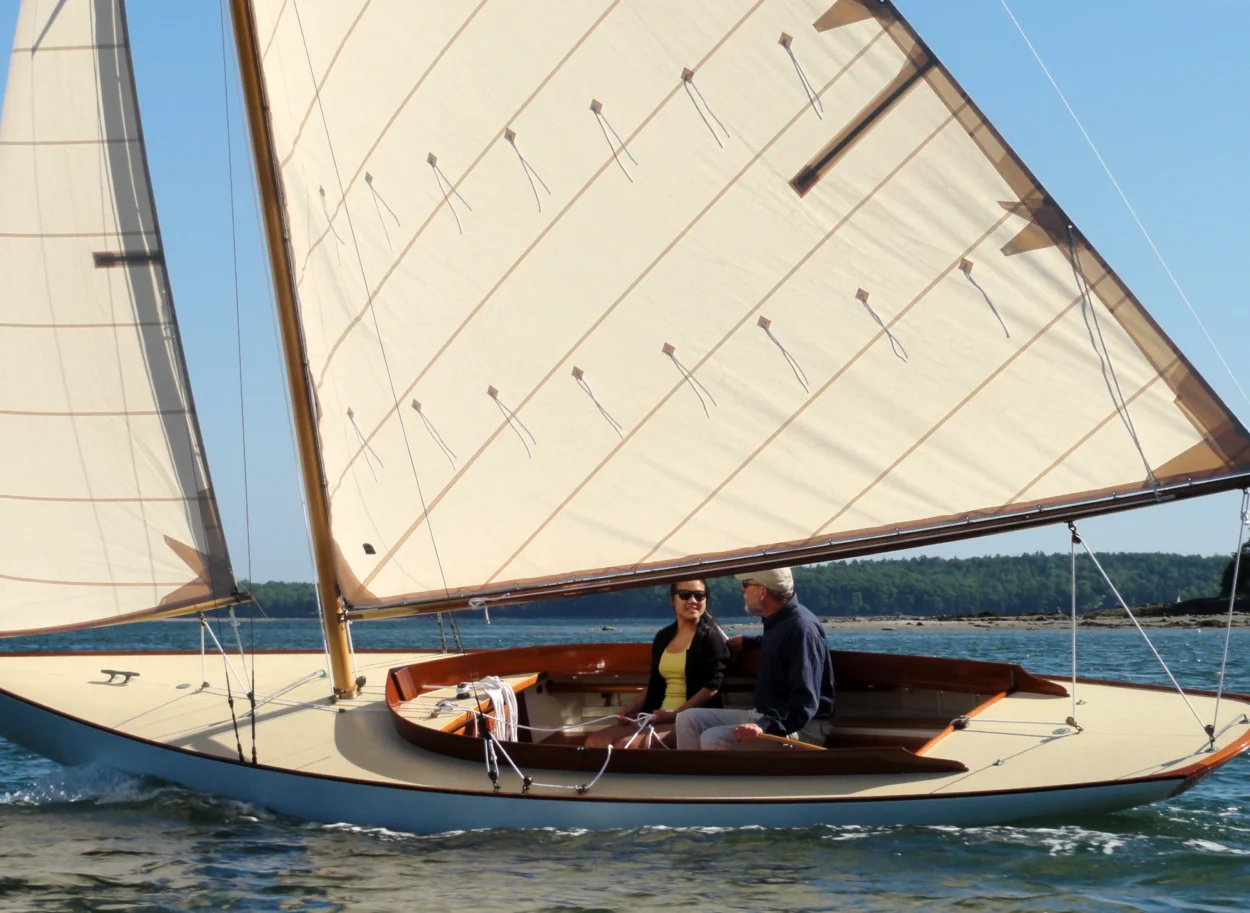
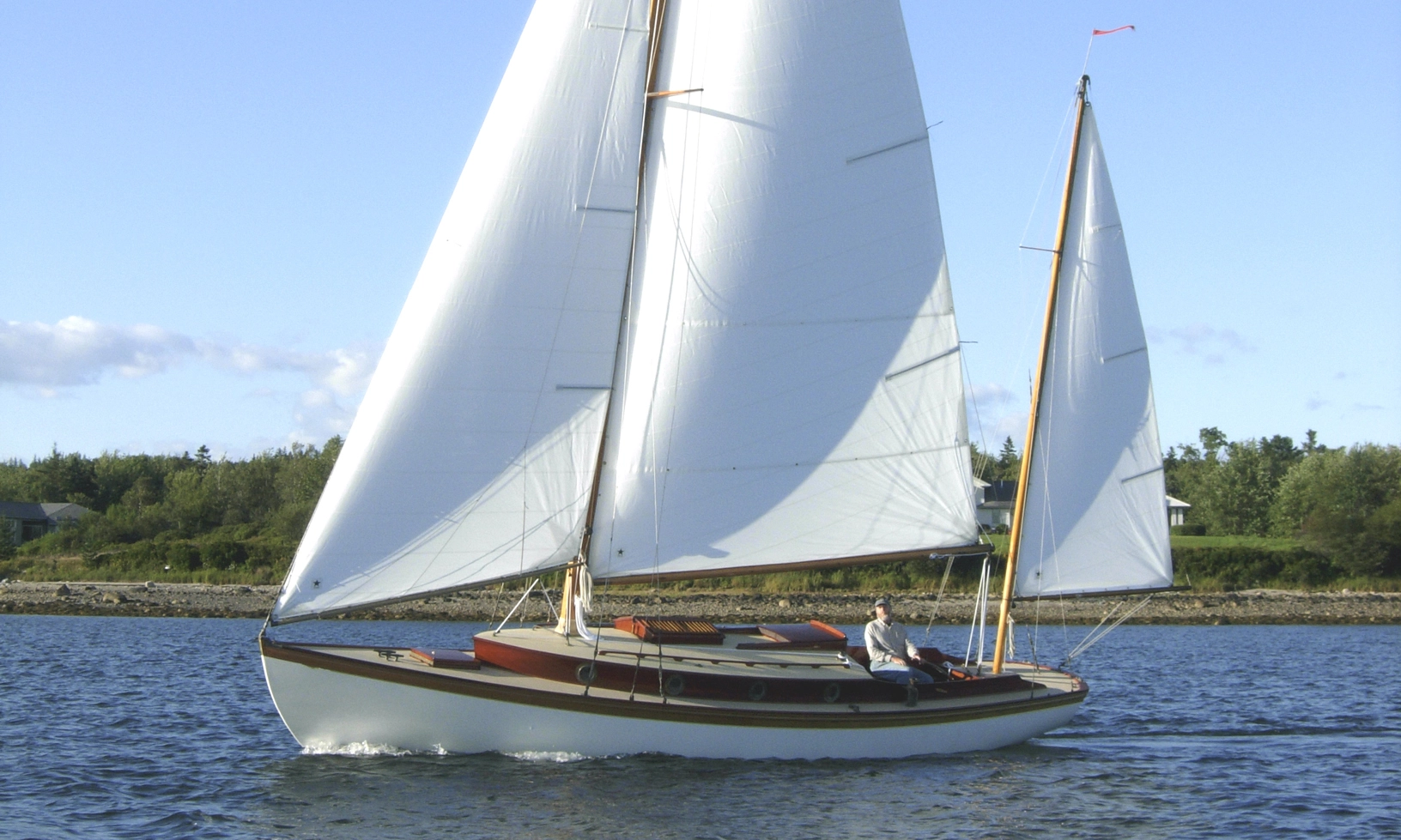
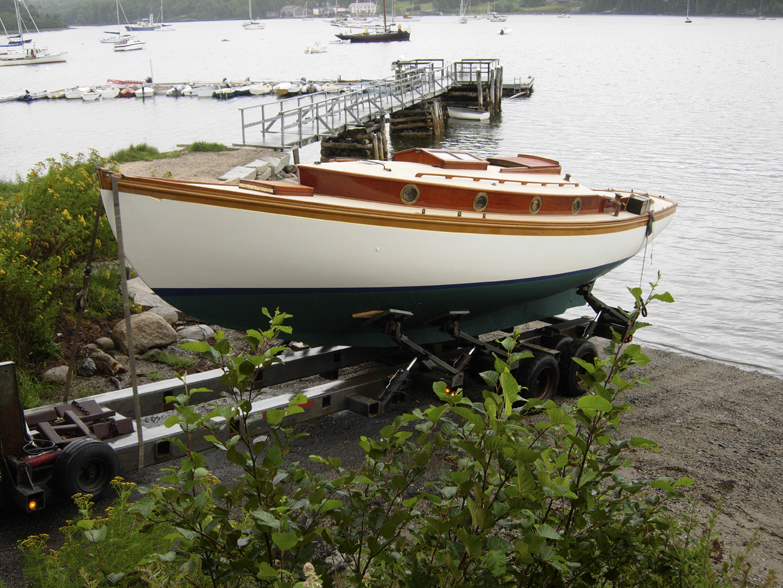
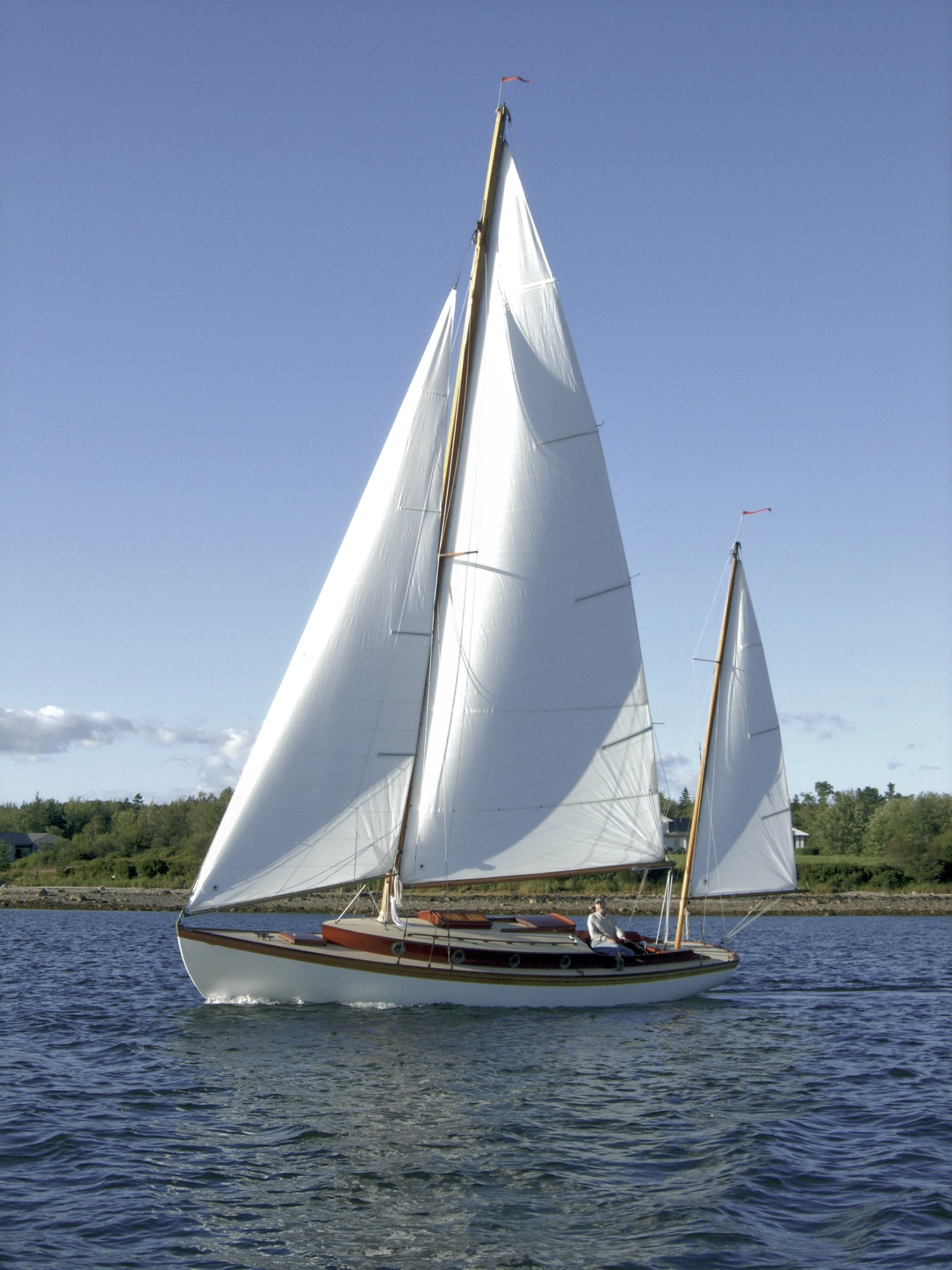
    MOLLY B. is a 28′ cruising cat boat with a cat yawl rig.  She was designed and built by C.C. Hanley in 1927, and was one of his last design/ builds.  Her rig is quite conservative as compared with some of the extreme racing cats with which Hanley earned his reputation.  Hanley was a very prolific designer in his time, even producing an America’s Cup contender that was essentially an enormous cat boat. N.G. Herreshoff reportedly once said of Hanley “he was the toughest nut I had to crack.”
    MOLLY B. is a special boat with a rich history and lots of character.  One of her many interesting traits is the reverse rake in the stem that was signature of many of C.C. Hanley’s designs. MOLLY B.’s restoration took place in stages beginning in 2009, and she launched, fully restored, in the summer of 2016. Benjamin River remains her sailing home, so keep a look out for her on Eggemoggin Reach each summer. She’s hard to miss!
    Particulars

    LOA28′
    LWL24′ 6″
    Beam11′ 9″
    Draft2′ 6″ / 6′ 2″

    In the Press

    Tom Jackson wrote about MOLLY B. in the “Around the Yards” section of the Sept/Oct 2016 issue of WoodenBoat.

    Stephen Rappaport’s article in the Ellsworth American about the relaunch of MOLLY B. is entitled Historic old catboat gets new cast of characters.

    Articles

    Ellery Brown discusses the complete restoration of MOLLY B. and similar “basket cases” that are eminently worthy of restoration in The Case for the “Basket Case” in Maine Boats, Homes and Harbors 145.

  • KRISTIN

    KRISTIN

    KRISTIN

    1923, 2012

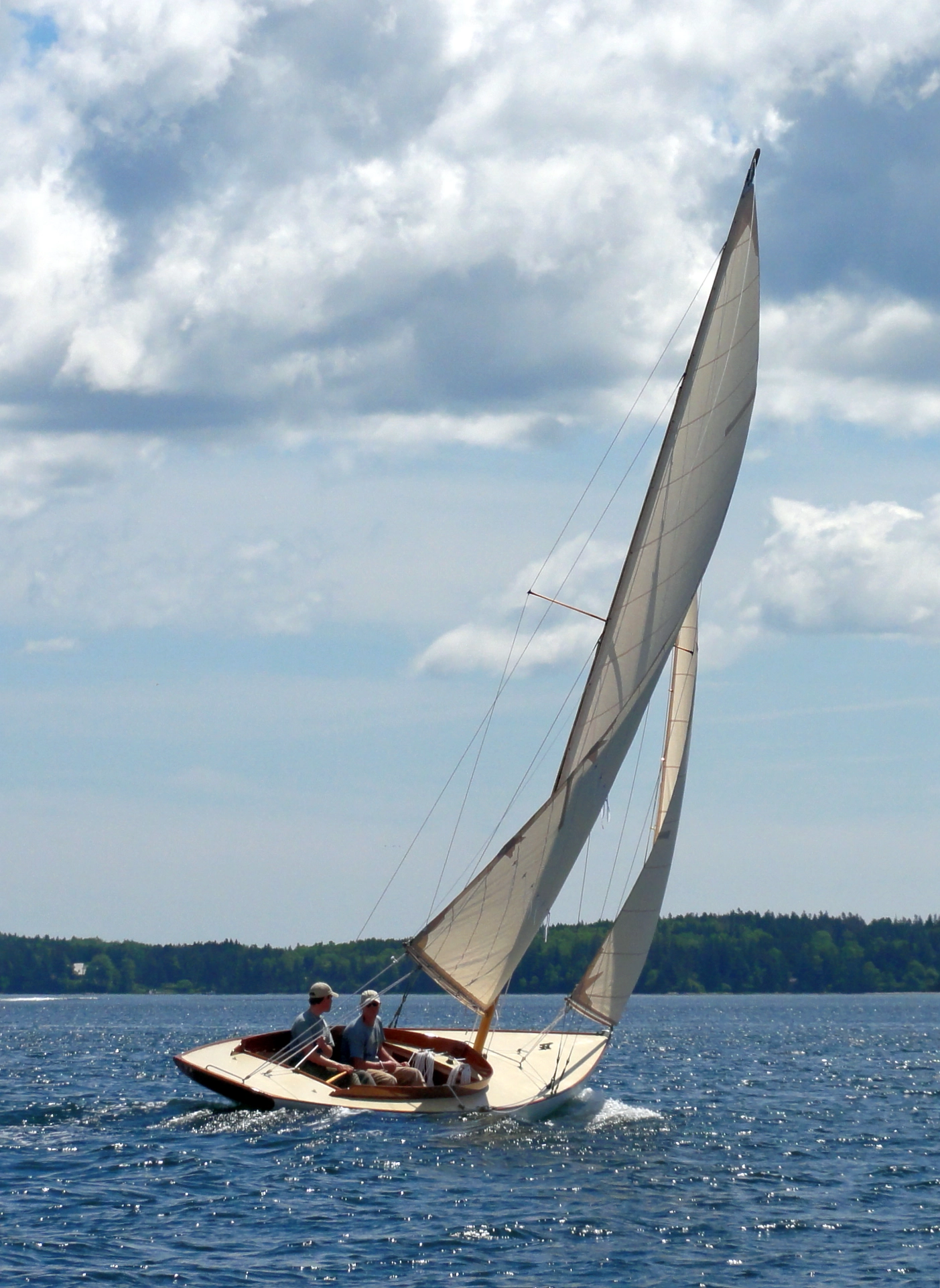
    The Watch Hill 15 was designed by N.G. Herreshoff and built at the Herreshoff Manufacturing Company beginning in 1923. The design evolved out of the Buzzards Bay 15. Some of the differences include: slightly increased freeboard, pointed instead of round cockpit coamings, and a marconi instead of gaff rig.

    This WH-15 (HMCo hull # 890) was originally called TOBASCA, then BLACK ARROW, GERALDINE, and most recently KRISTIN.

    Particulars

    LOA24′ 6″
    LWL15′
    Beam6′ 9″
    Draft2′ 3″
  • SARDINE

    SARDINE

    SARDINE

    Harry Bryan garvey (repower 2020)

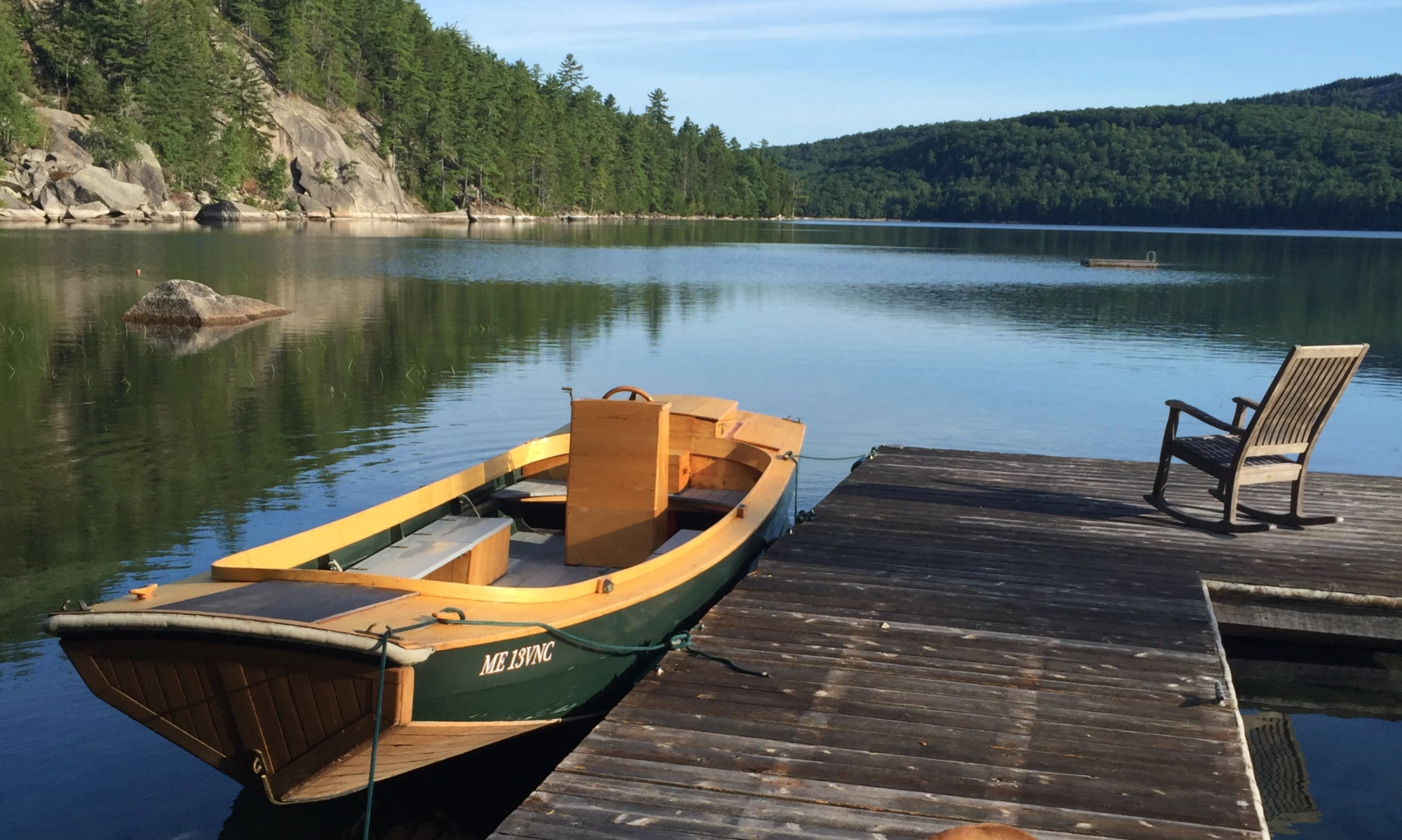
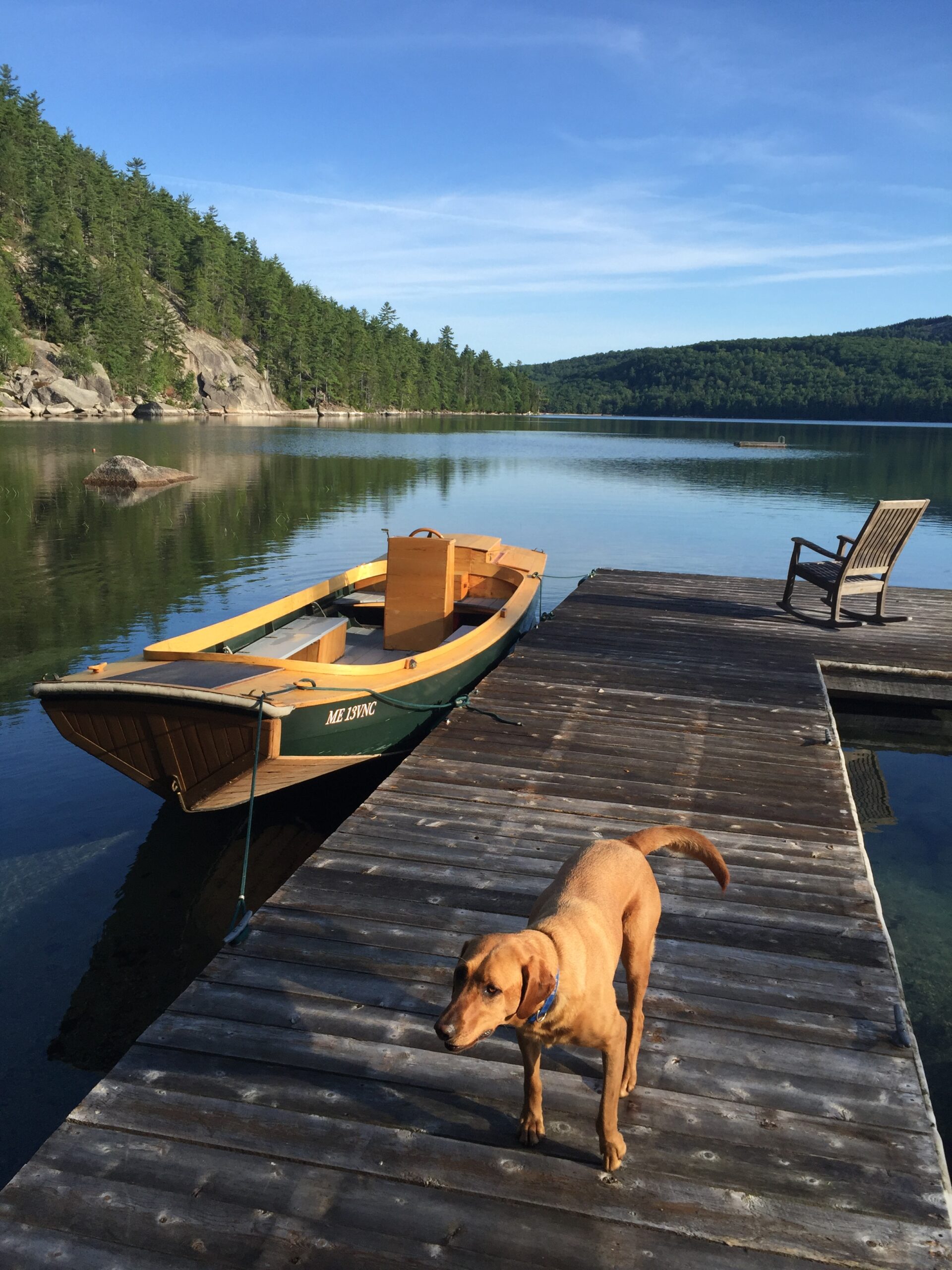
    SARDINE’s owner enjoys his Harry Bryan-built garvey on a crystal clear pond in Downeast Maine. The beloved boat is the epicenter of cherished family gatherings throughout the summer. SARDINE has always been quiet with a 4-stroke Honda in an insulated motor well. But switching to electric propulsion has provided the new and remarkable experience of silent, emissions-free swimming, stargazing, and exploring on the pristine pond.

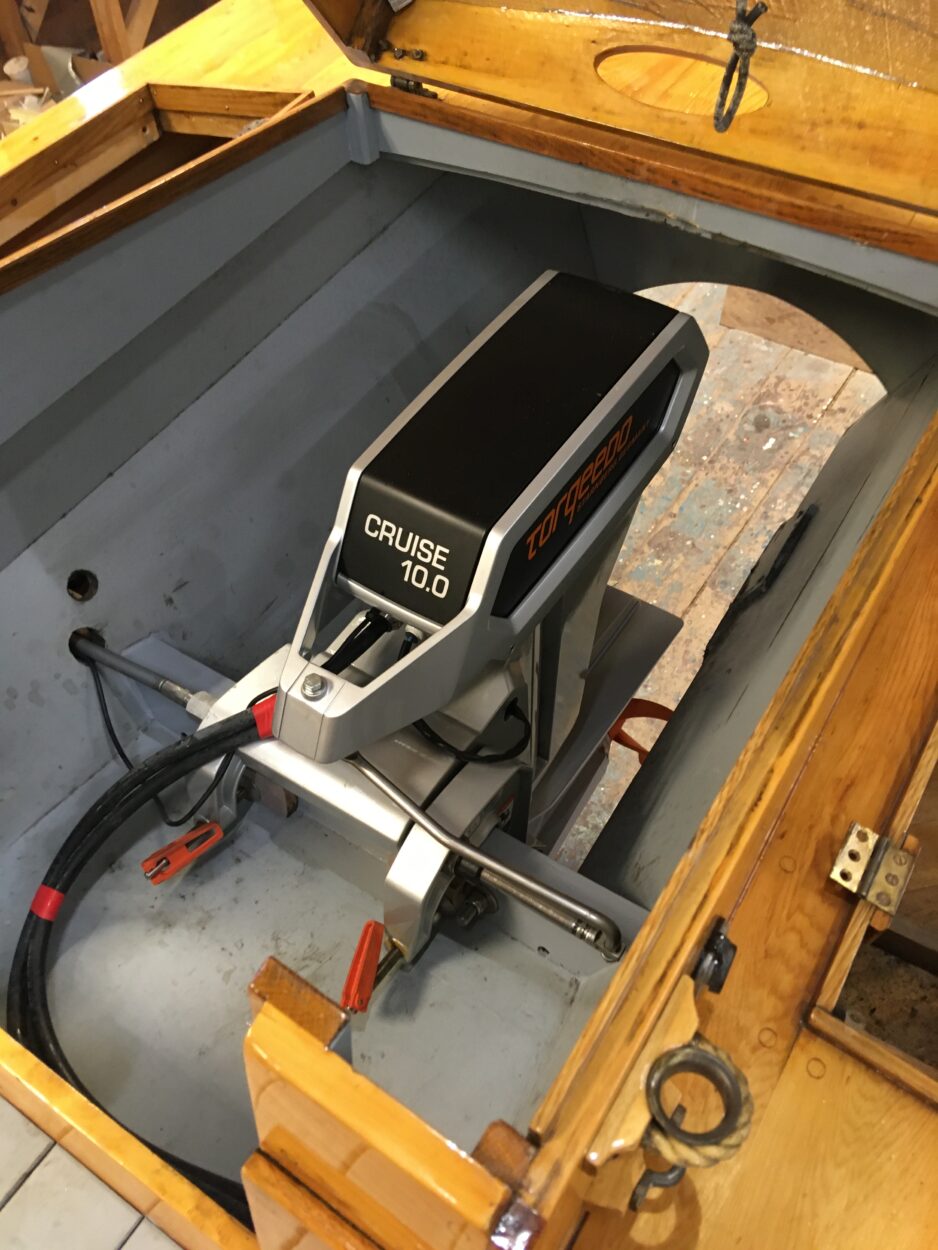
    We installed a Torqeedo Cruise 10.0 with two 5 kW Torqeedo lithium batteries and a 240V fast charger. With her new electric system SARDINE was capable of better acceleration and slightly better top speed than with her 20 hp Honda.

    A pond/ lake house like this has proven to be the perfect venue for the latest developments in “e-mobility on the water.” Working with a talented crew from Nate Holyoke Builders and master electrician Matt Davis, a 240V shore power post was built on the dock that is in keeping with the aesthetic of the cottage. After an excursion on the pond, SARDINE can plug in as easily as making off a dock line, and can charge her batteries from flat in 2 hours.


    Photo / Video produced by Hemmings House Pictures Ltd., an impact film company.  

    Used with permission, all rights reserved.  www.hemmingshouse.com

  • AIDA

    AIDA

    AIDA

    33′ centerboard yawl (1926, 2008)

    Designed and built by Herreshoff Manufacturing Co. in 1926, AIDA is a 33′ centerboard yawl. Both interior and exterior were fully restored, sensitive to Herreshoff techniques, restoring the boat as much as possible to “as built” condition. Refinished spars, a new diesel, and new sails were also part of the first major refurbishment of the boat since launch.

    Prior to her recent sale, AIDA was owned for over 40 years by Herreshoff historian and author Maynard Bray and his wife Anne. Bray oversaw the restoration of AIDA together with the owner’s representative, Steve Corkery, from Shelter Island, NY.

    Photo: Maynard Bray
    Photo: Maynard Bray

    Particulars

    LOA33′ 6″
    LWL27′ 0″
    Beam9′ 2″
    Draft3′ 1″ (board up)
    Disp.11,000 lbs
    DesignerN.G. Herreshoff
    BuilderHerreshoff Mfg. Co., Bristol, RI
    Sail area520 sq ft
    Aux. power25 hp Beta

  • PENOBSCOT

    PENOBSCOT

    PENOBSCOT

    37′ R-class sloop (1923, 2013)

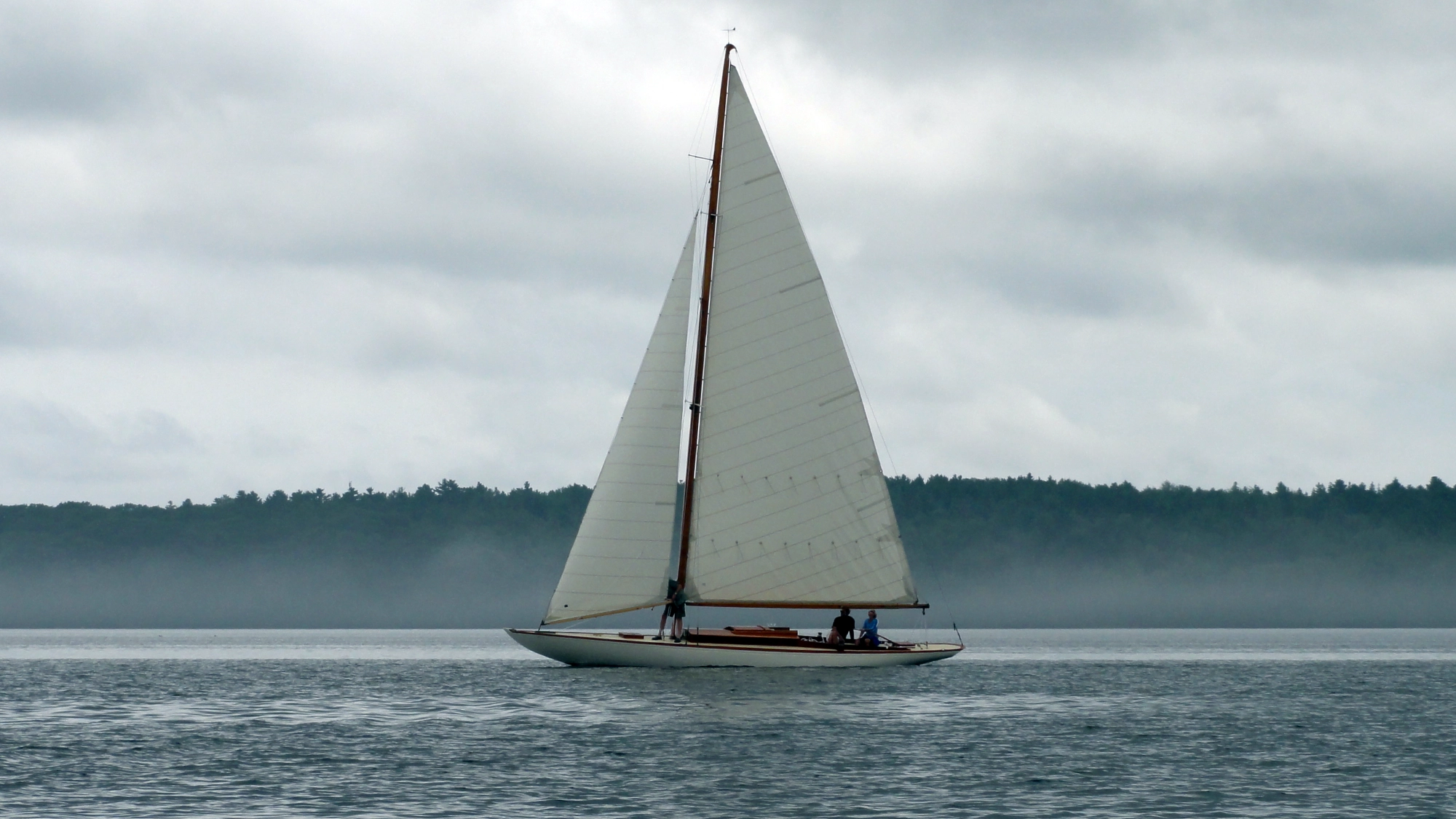
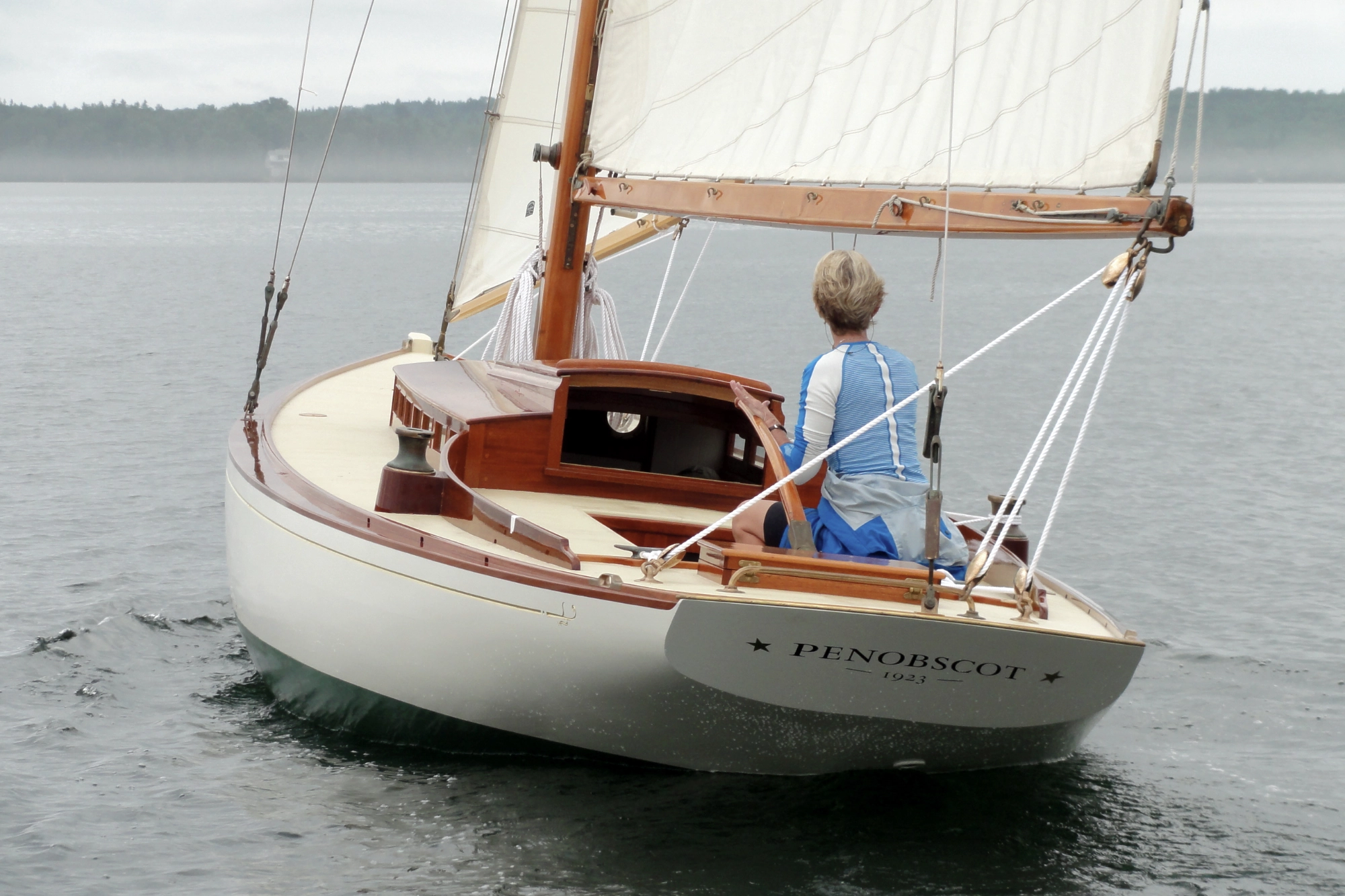
    PENOBSCOT is an R-class keel sloop designed by C. D. Mower and built in 1923 by Hodgdon Bros. She was completely restored, both structurally and cosmetically, in our shop.

    Particulars

    LOA36′ 8″
    LWL25′ 6″
    Beam8′ 10″
    Draft5′ 11″
    Disp.12,000 lbs
    DesignerCharles D. Mower
    BuilderHodgdon Bros., East Boothbay, ME
    Sail area620 sq ft
    Aux. power18 hp Yanmar
  • TOODLIN’

    TOODLIN’

    TOODLIN’

    19‘ Glen-L Runabout (1999, 2026)

    We first met TOODLIN’s new owners when they visited the yard with one of our existing electric-boat clients.  They joined us for a sea trial on the Benjamin River, and while they enjoyed the boat we were aboard, they were especially drawn to several other boats in the harbor.  Fortunately, those boats were ours, too, and the conversation about building something together began there.

    The Albury Runabout caught their eye for its handsome lines, practical size, and inviting layout.  Their boat, however, would live on a Minnesota lake and be used mostly for swimming, relaxing, and “toodlin’” around.  They envisioned a sleek, curvy runabout with lower freeboard, better suited to their protected waters.  It would be powered by an electric motor, of course.  They understood the benefits immediately: no vibration, no smelly exhaust, and no more lugging fuel containers down the steep steps to their dock.

    Photo: Nick Parson
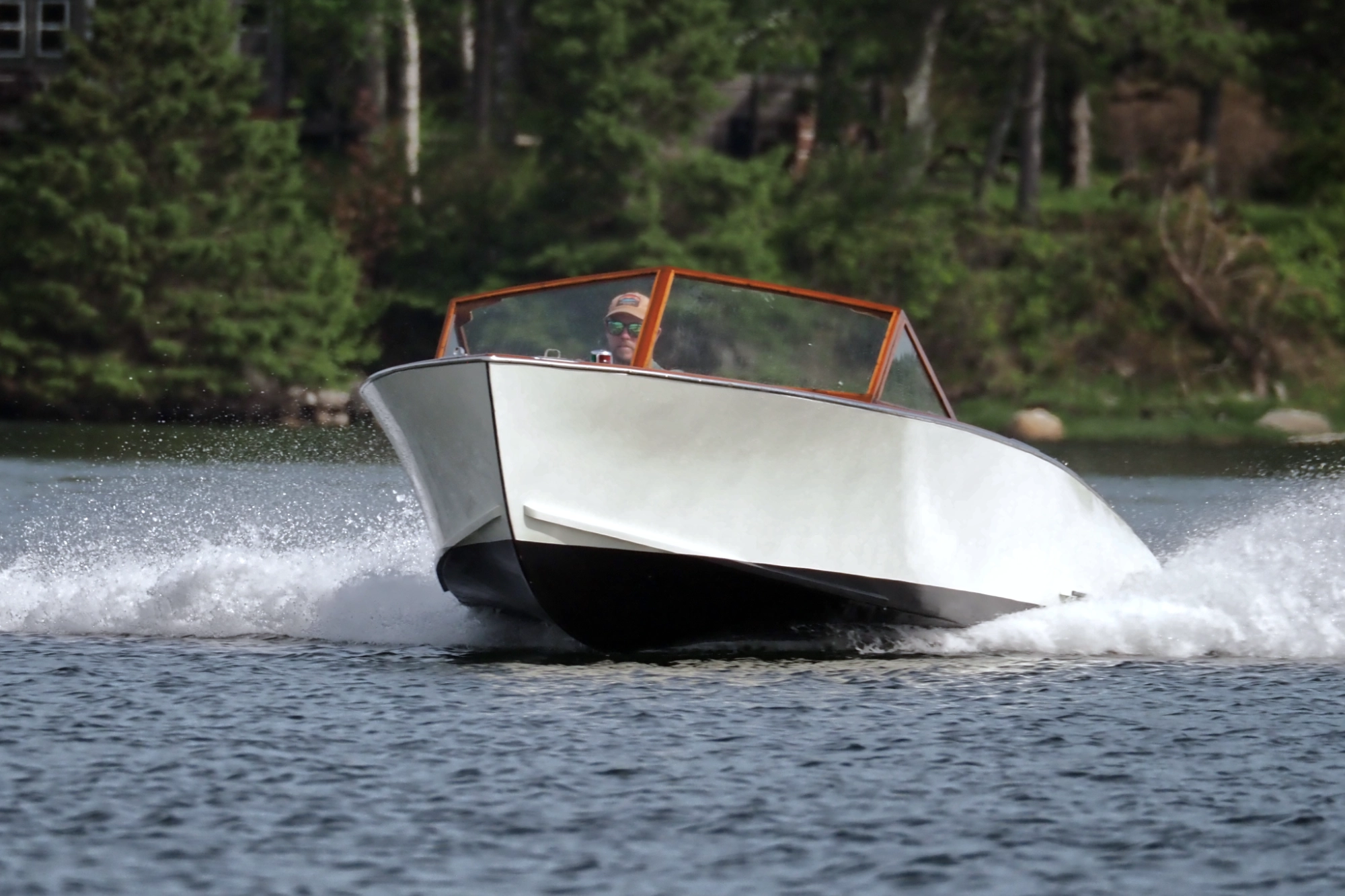
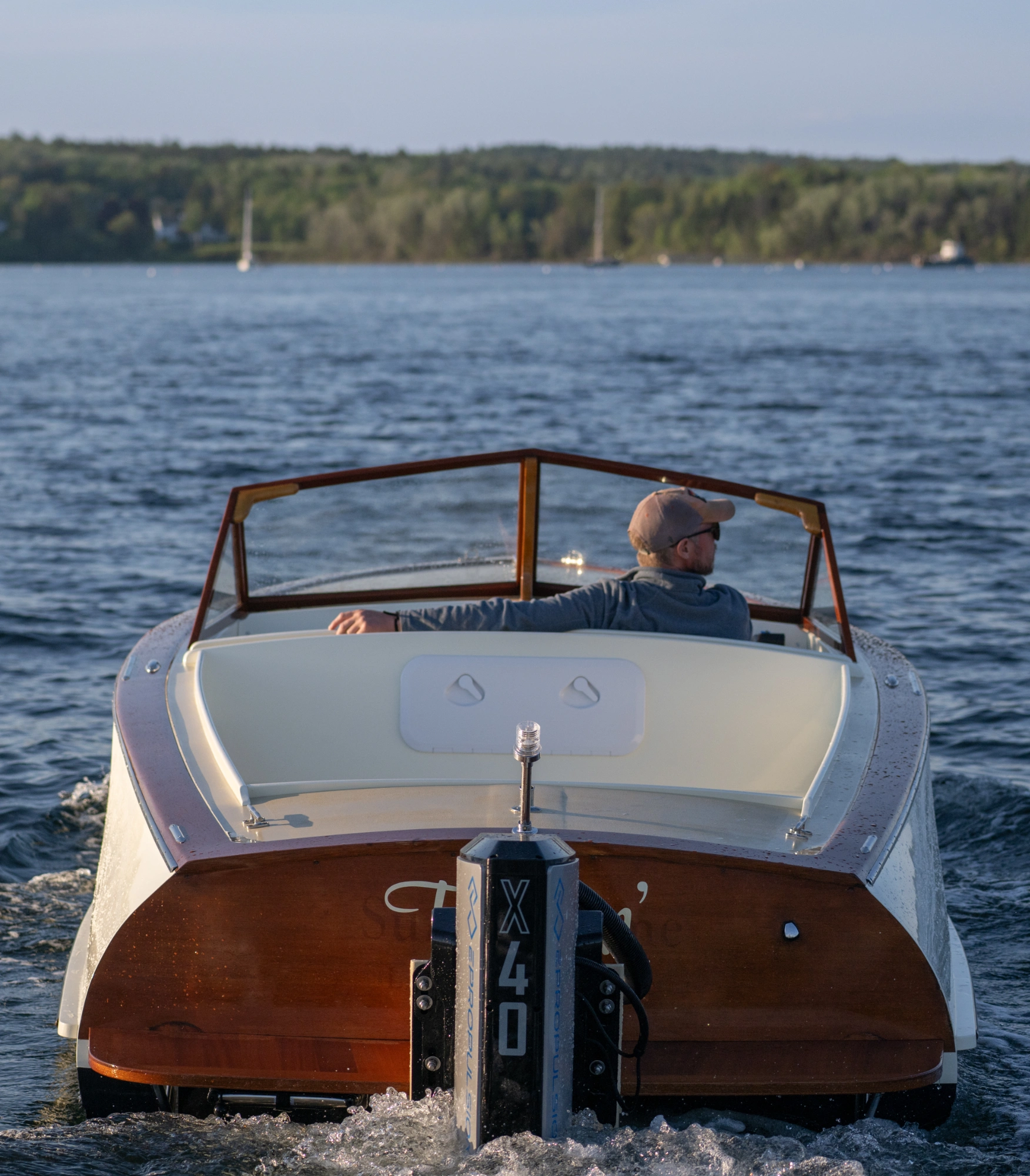
    Fast electric boat on the water

    We found them a strong candidate for conversion: a 1999 Glen-L runabout.  It was a home build, but capably done, with graceful topsides and a modified V-hull that could climb onto plane efficiently with modest power.  The engine she came with was anything but modest: a 5.4L V8 inboard.  Set amidships beneath a massive, varnished engine hatch, it dominated the boat and separated the two small cockpits.

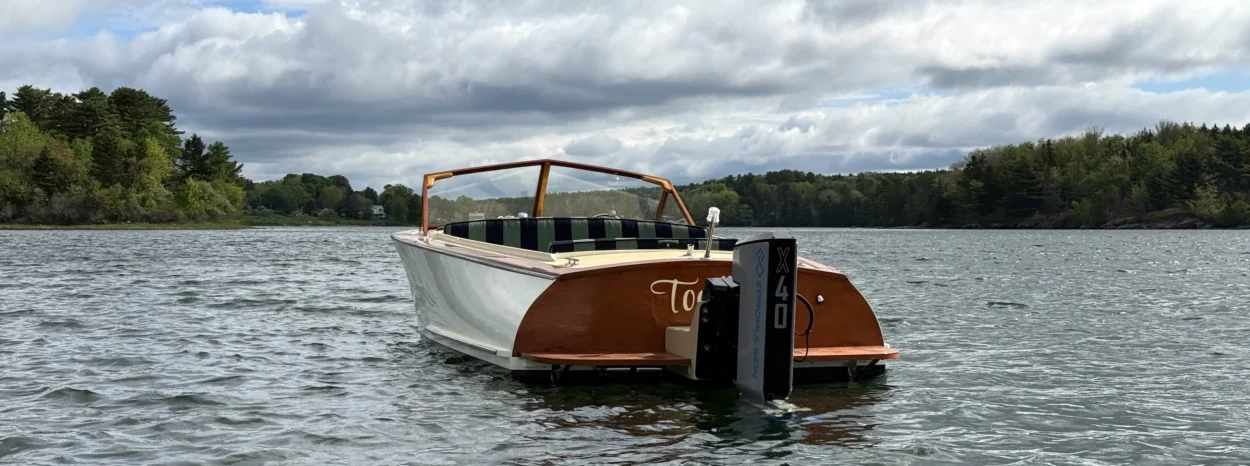
    Together, we developed a plan to remove the inboard engine and open up the cockpit for more comfortable seating and lounging space.  Power would come from an electric outboard mounted on an Armstrong bracket flanked by swim platforms – preserving as much usable interior space as possible, while keeping the eye-catching varnished transom intact.

    Most of the owners’ time on the lake would be spent just toodlin’ around, but speed still mattered.  Based on their performance goals, we selected ePropulsion’s X40 motor, powered by two of its large 96V G102-230 batteries.  At 54 inches long and 400 pounds each, the batteries were a tight fit in a 19′ boat.  Combined with a 220-pound motor mounted on a 20-inch offset bracket, the conversion demanded careful weight studies to ensure the boat would trim properly after such a significant reallocation of mass.

    After a long road trip from Maine, she is now being enjoyed on a lake in Minnesota, where her wooden construction, hand-crafted detailing, and near-silent performance are attracting attention – and, we hope, winning a few more converts to electric power.

    Particulars

    LOA21′
    LWL19′ 10″
    Beam6′ 6″
    Draft10″ / 21″
    Disp.3100 lbs
    MotorePropulsion X40 (40 kW, 96V)
    BatteriesePropulsion G102-230 (x2, 46 kWh)
    Top Speed24 kts
    Range50 nm at 6.5 kts, 23 nm at 20 kts
    Electric boat underway with lots of spray
    26.5.26 Toodlin’ for Hylan & Brown-5

  • SEIWA

    SEIWA

    SEIWA

    26‘ Navy Whaleboat (1969, 2025)

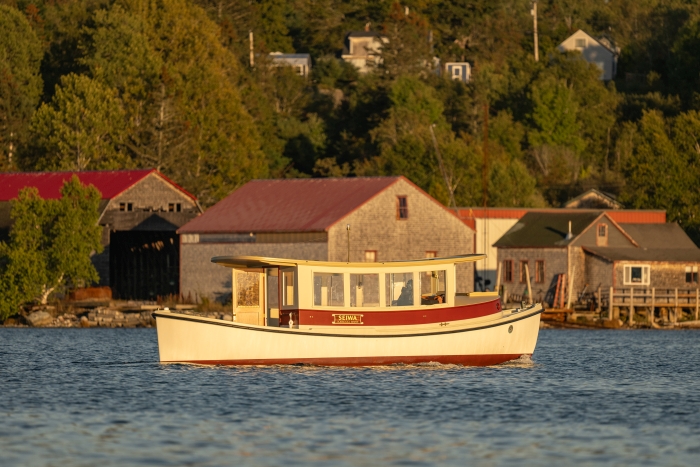
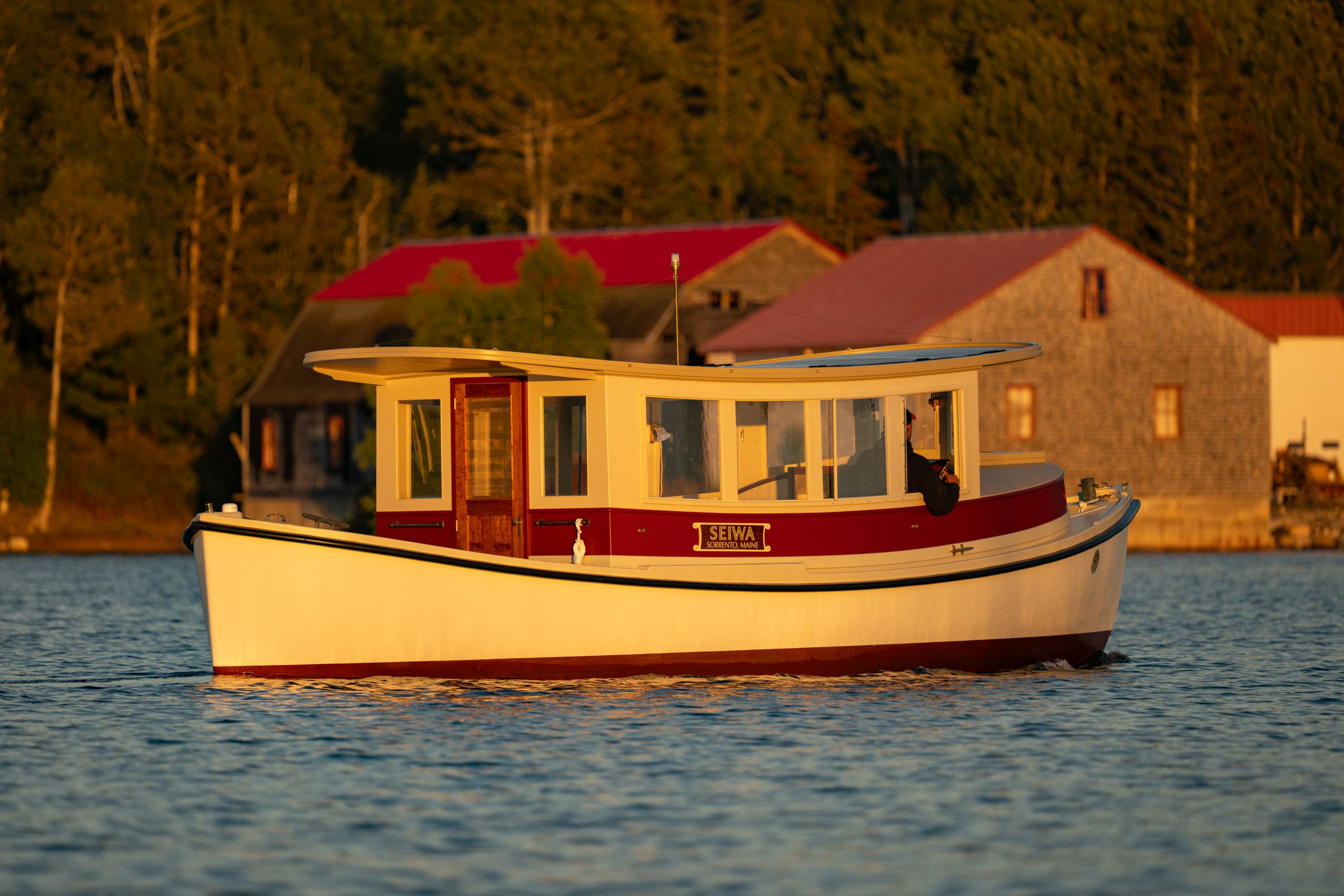
    After the success of VEGA’s electrification in 2023, her owner came back to us with a new project in mind.  He enjoyed using VEGA for day trips with friends and family, but wanted another boat to venture further afield in, with simple overnight accommodations for up to two people.  Sorrento to Isle au Haut without plugging in was the challenge he gave us – and he already had a boat in mind.

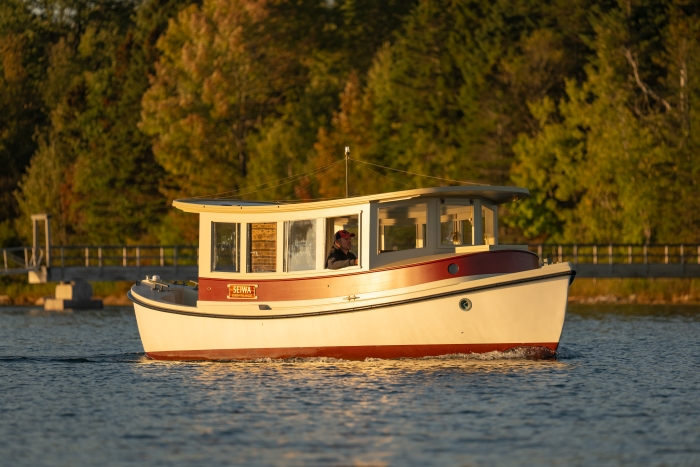
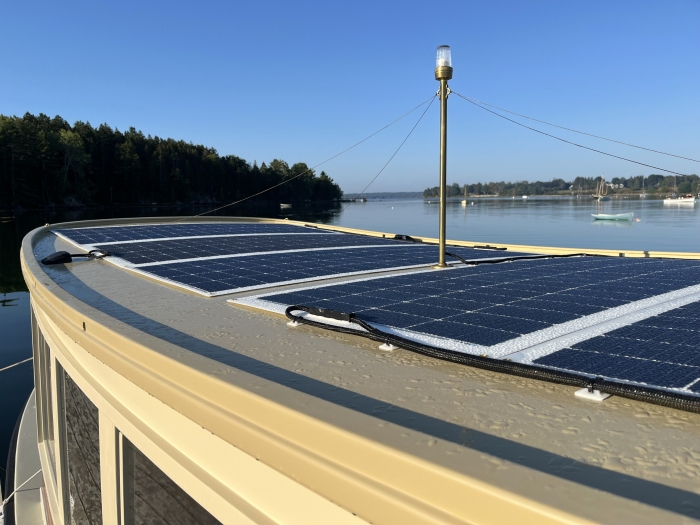
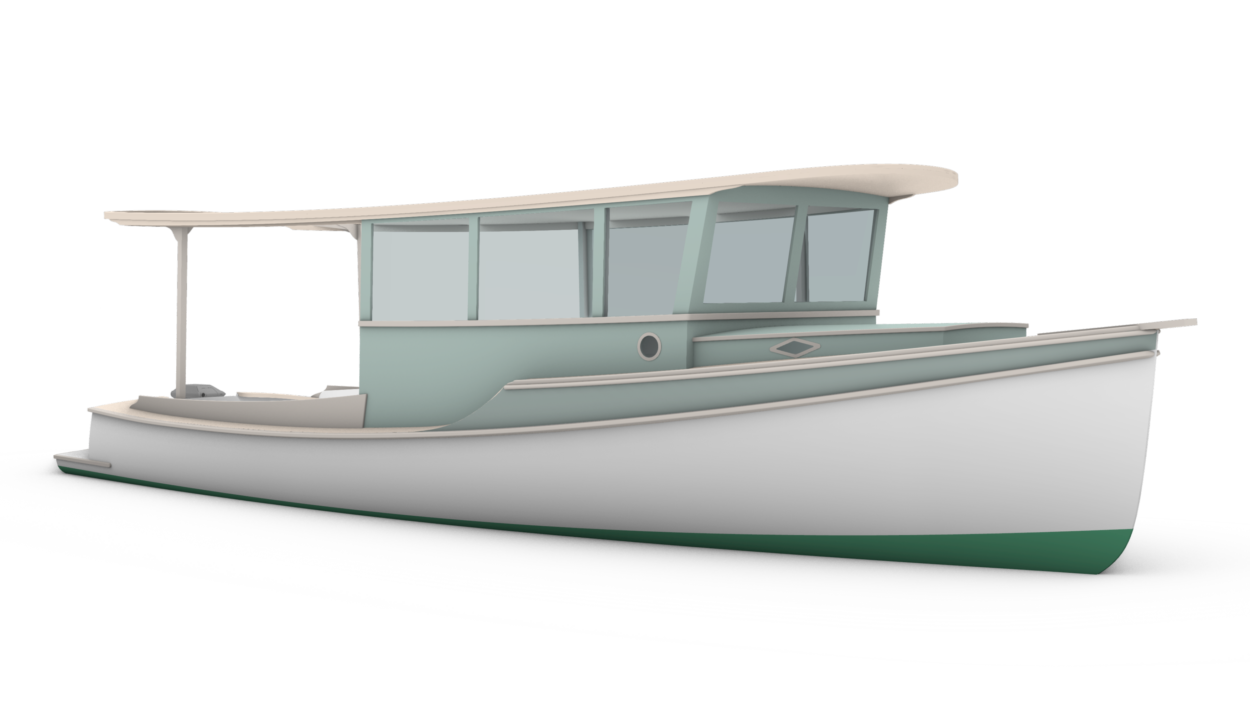
    Built in 1969 by Uniflite in Bellingham, WA, this former Navy motor whaleboat was a good candidate for efficient electric cruising.  With a double-ended hull designed for displacement speeds, she slips through the water with ease and can easily carry the weight of a large battery bank.  The design Doug came up with called for gutting the boat and building a new superstructure, with a long hardtop for solar panels, good protection from the weather, and lots of glass for unrestricted visibility.

    Photo: Nick Parson
    Photo: Nick Parson

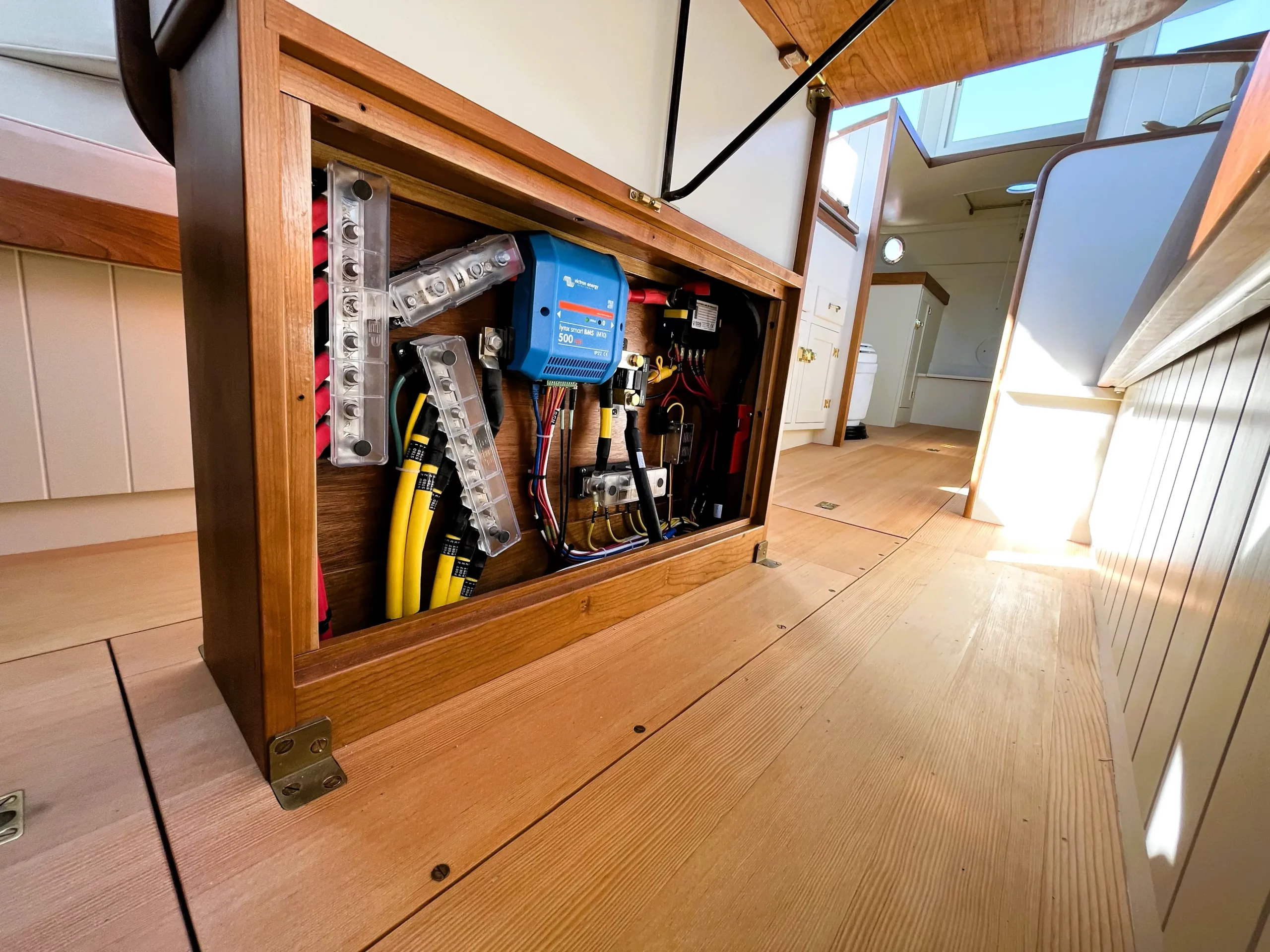
    For propulsion, we installed a 15 kW pod from Rim Drive Technology, paired with a 60 kWh Victron battery bank.  The result is smooth, silent operation with extremely low maintenance requirements.  Six 200 W solar panels mounted on the cabin top continuously recharge the batteries while underway, enabling what we call “solar sailing”: traveling at a speed determined by available sunlight rather than by drawing down the battery bank.  At modest cruising speeds, SEIWA can run comfortably all day, and under favorable conditions, with very little battery use at all.

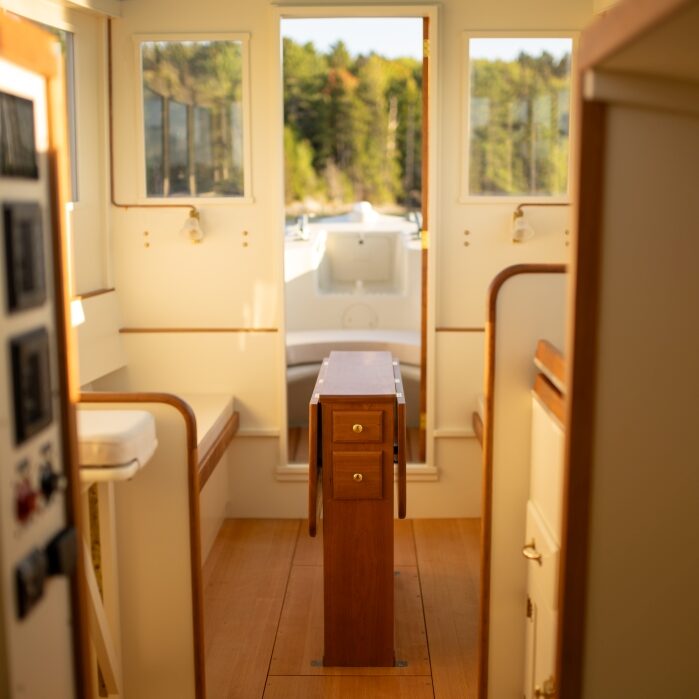
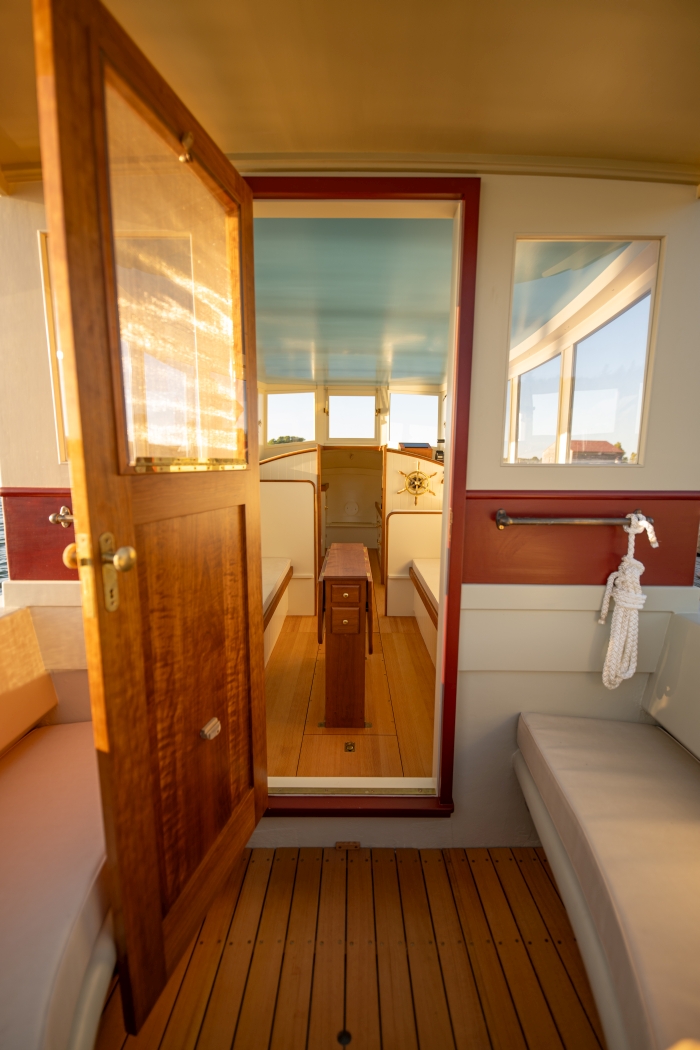
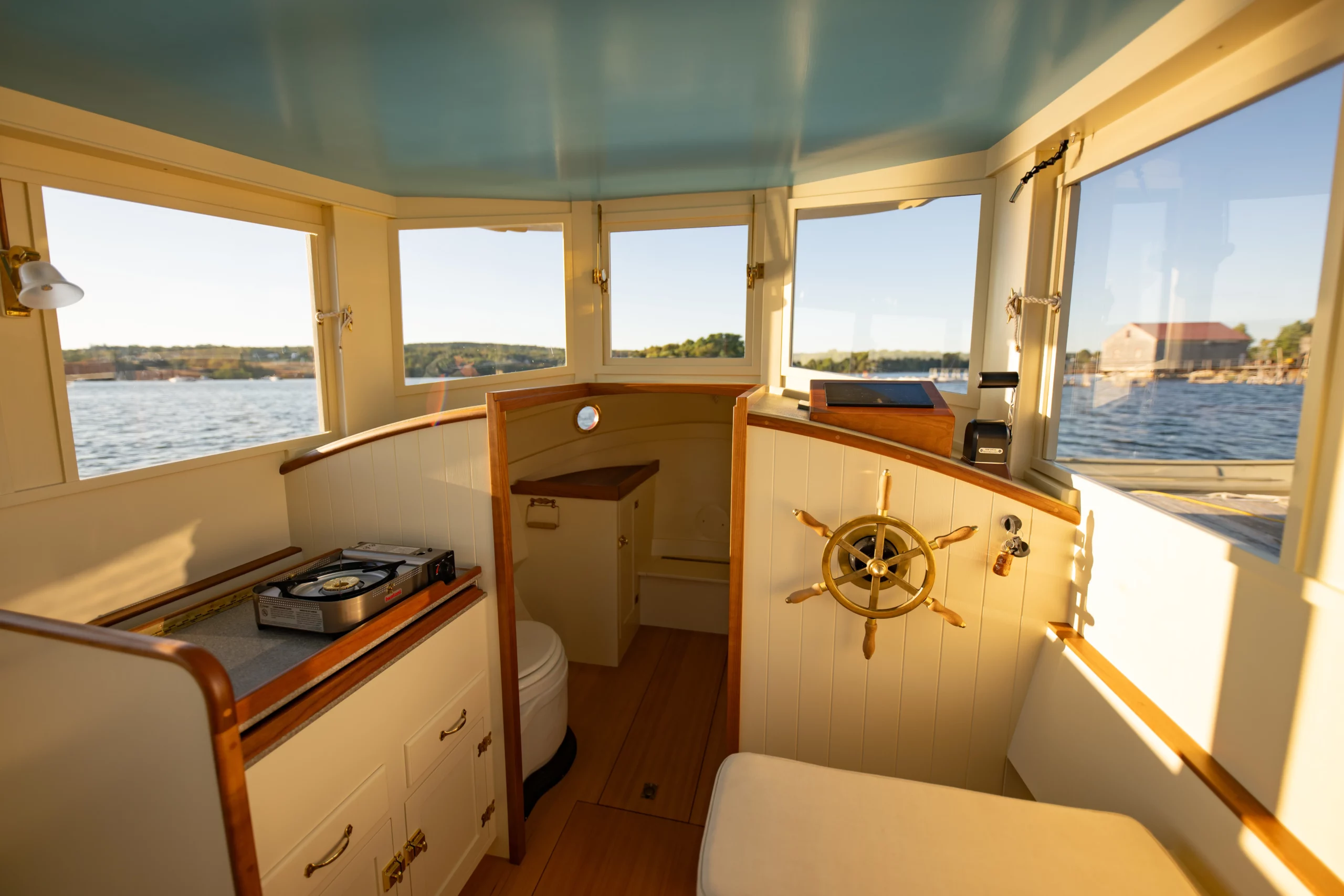
    Inside, we focused on simplicity, with accommodations tailored to her owner’s vision of minimalist coastal exploration.  Two settees convert to comfortable sleeping berths, and the compact cabin includes a Laveo waterless head and a clever galley with a folding single-burner stove that reveals a sink beneath.

    With planning, multi-day trips using nothing but the power of the sun are a real possibility in a boat like this.  For sailors transitioning away from sail, or cruisers looking for a quieter, less demanding way to explore, SEIWA offers an effortless and environmentally responsible alternative.  For us, the boat stands as a proof of concept: with the right hull, thoughtful design, and carefully-selected solar-electric systems, electric cruising isn’t just possible – it’s practical, peaceful, and deeply rewarding.

    Particulars

    LOA26′
    LWL25′
    Beam8′ 5″
    Draft2′ 2″
    Disp.7400 lbs
    MotorRim Drive Technology POD 15.0 (15 kW, 48V)
    BatteriesVictron LFP (60 kWh)
    Top Speed6.5 kts
    Cruise4 kts
    Range80 nm at 4 kts, 30 nm at 6.5 kts
    Range w/ solar130 nm at 4 kts, 33 nm at 6.5 kts
    Photo: Nick Parson
    25.9.15-Seiwa-8
  • VEGA

    VEGA

    VEGA

    31′ Cranberry Island Launch (1936, 2023)

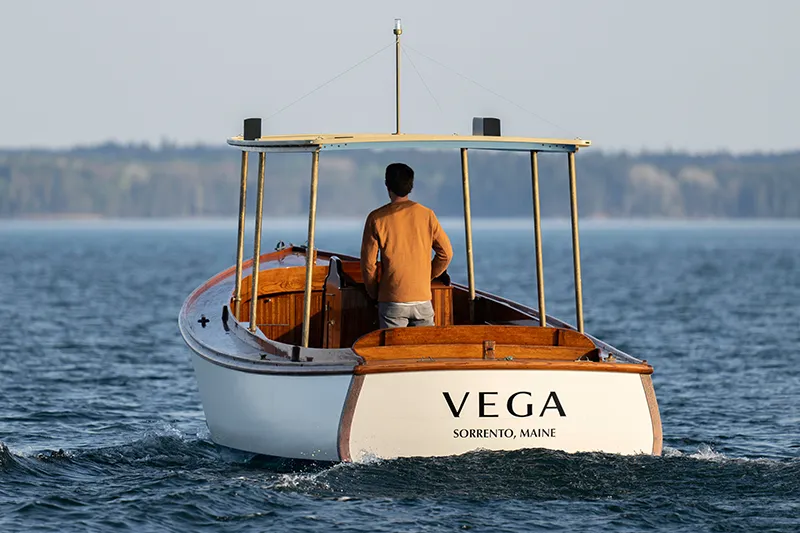
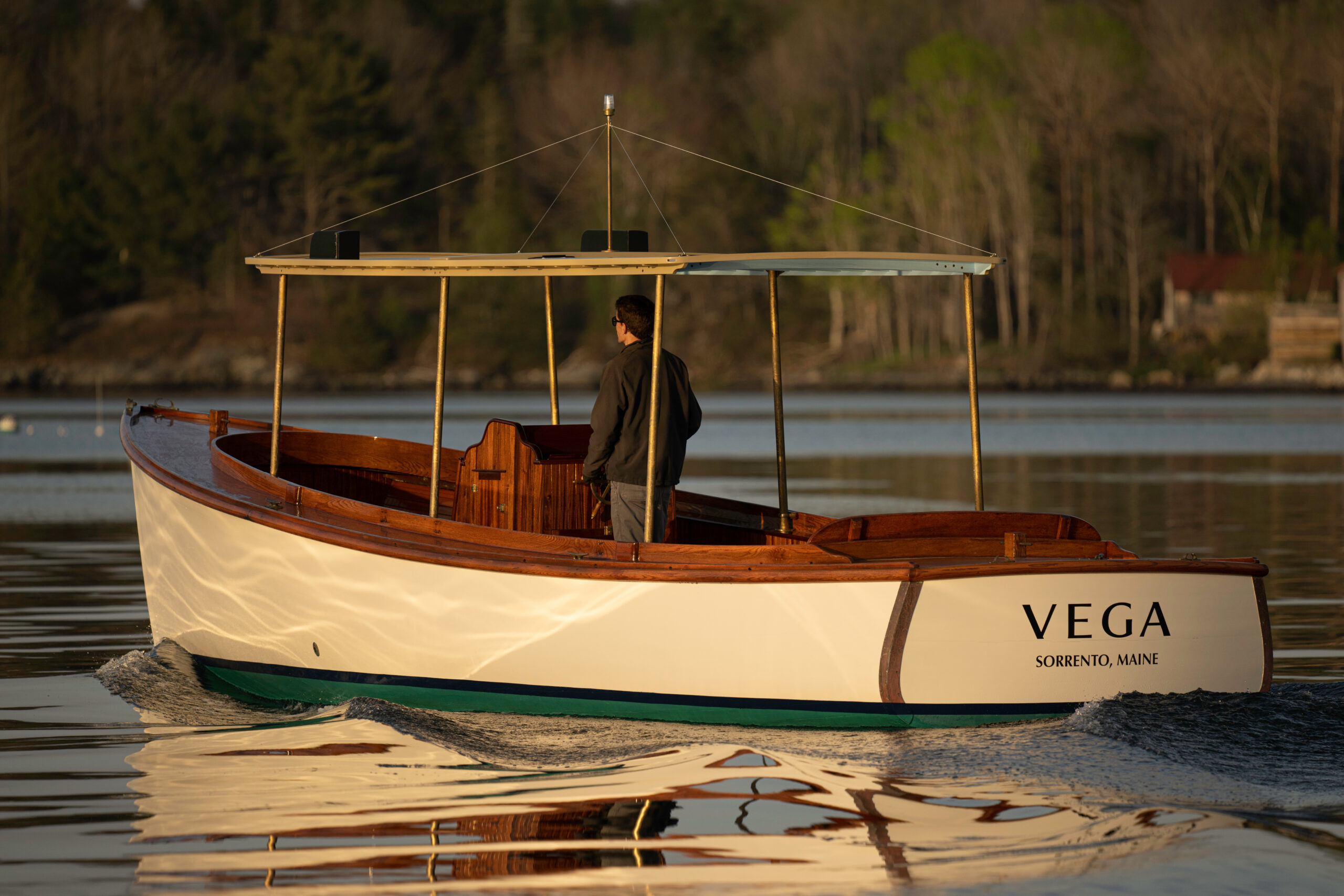
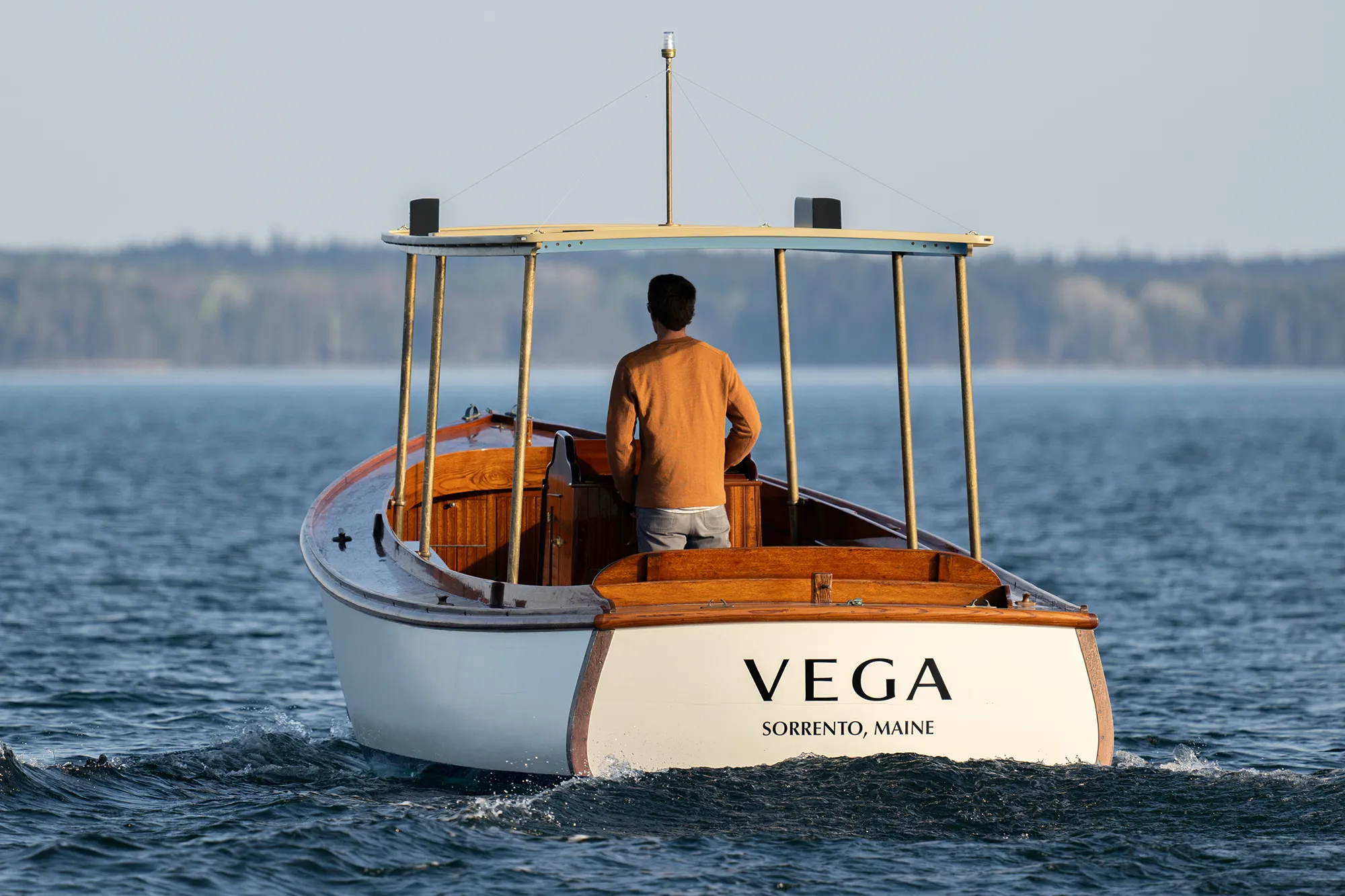
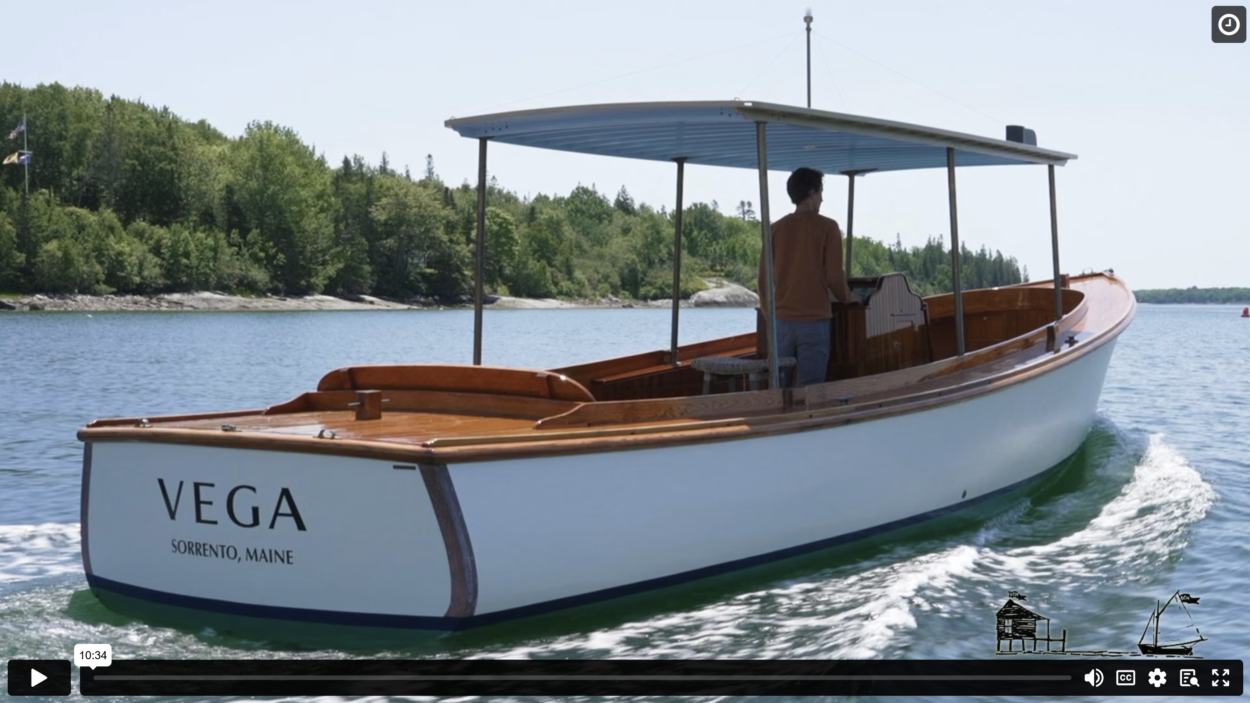
    VEGA was built on Great Cranberry Island In 1936. She spent the next 84 years enjoyed by one family and stored carefully on island. She came to us in remarkably original condition by way of Maynard Bray’s “Save a Classic” Column in WoodenBoat Magazine. Her new owner was interested in perpetuating the original fabric and spirit of the classic launch, while also converting her from gasoline to electric power.

    Photo: Nick Parson
    VegaPhoto: Nick Parson

    His intended use was well suited to electric power: regular joy rides, picnic excursions and cocktail cruises off his dock (with shore power) in Sorrento, with an occasional cruise to Stonington, Brooklin, or even western Penobscot Bay. The boat was a great candidate for electric, too: fine bow, long waterline, narrow beam and a not-quite submerged transom.

    The conversion was a success. With one season under her belt, we learned a lot about her abilities: She can easily go from Brooklin to Sorrento on a single charge; She can make regular short cruises and re-charge on solar alone, and a lot more.

    Particulars

    LOA33′
    LWL31′ 6″
    Beam9′
    Draft2′ 6″
    Disp.8500 lbs
    MotorElectric Yacht QT20.0 (20 kW, 48V)
    BatteriesVictron LFP (30 kWh)
    Top Speed9 kts
    Cruise5 kts
    Range65 nm at 5 kts, 25 nm at 7 kts